Precise Characterization of Black Masses as the Key to Efficient Battery Recycling
New analytical methods are designed to accurately detect contaminants and optimise recycling pathways
The current EU Battery Regulation prescribes ambitious recycling quotas. However, the key prerequisites for efficient battery recycling are intelligent recycling processes, reliable assessment, and high-quality processing of recycled materials from lithium-ion batteries. With the SHERLOCK project, a research initiative is starting to tackle these challenges—another building block on the path toward an economic and sustainable circular economy for batteries.
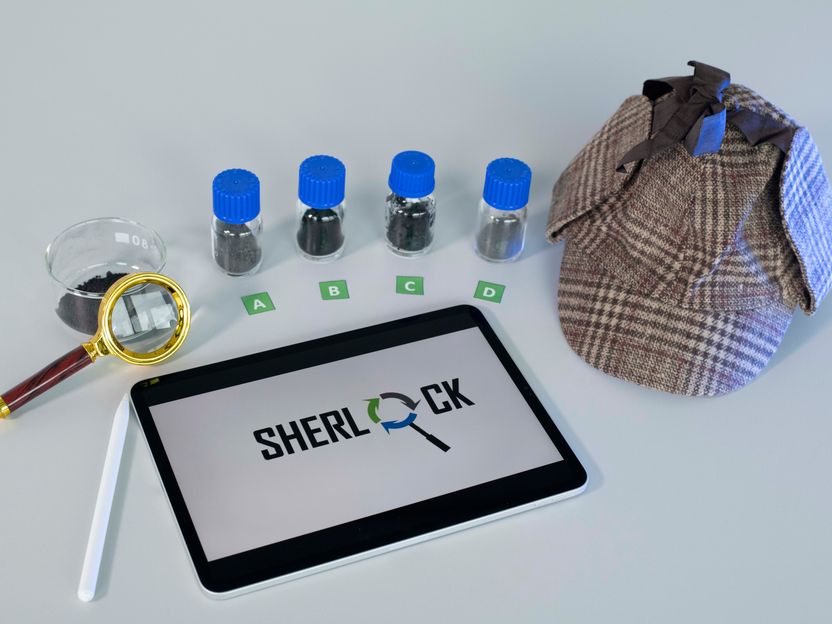
Reliable analysis and evaluation of battery recyclates for an efficient material cycle in battery production
© Fraunhofer ISC
Given limited resource availability and increasing regulatory requirements, battery recycling continues to gain importance. For German and European electric mobility providers, a resilient, sustainable value chain is crucial. Alongside to high-performance recycling processes, the analytically robust characterization of intermediate process products is moving into focus.
One such central intermediate product is what is known as “black mass”. This fine-grained material contains valuable elements such as lithium, nickel, cobalt, and graphite; however, its composition varies significantly depending on battery type, state of aging, usage history, and recycling process. This variability, along with existing impurities, has so far complicated further processing and can lead to efficiency losses or quality compromises in recycled materials .
Development of Standardized Quality Classes for the “Black Mass” Recycling Product
This is where SHERLOCK comes in: The project is developing new analysis and characterization methods that enable a precise and reproducible evaluation of black mass. The goal is to define standardized quality classes and derive concrete recommendations for downstream recycling processes. The work is based on both real industrial black masses and specifically manufactured model materials with defined properties. These allow for systematic investigation of the effects of specific impurities and the targeted validation of analytical methods.
A particular focus is on investigating the effects of impurities on direct and hydrometallurgical recycling processes . This results in a comprehensive catalog of criteria for evaluating black masses, which will enable a process- optimized selection of recycling pathways in the future. In parallel, new methods for the targeted removal of impurities are being developed to significantly improve the quality of the recovered raw materials.
Innovative analytical methods play a central role in this process. In addition to established techniques such as synchrotron X-ray fluorescence analysis (SR- XRF), total reflection X-ray fluorescence analysis (TXRF), and optical emission spectrometry or inductively coupled plasma mass spectrometry (ICP- OES/MS), the project also employs, among other techniques, time-domain nuclear magnetic resonance (TD-NMR), magnetic particle spectroscopy (MPS/COMPASS), and laser-induced breakdown spectroscopy (LIBS) . These methods enable a detailed characterization of the structural, magnetic, and chemical properties of black masses and provide valuable information on their composition, purity, heterogeneity, and hazard potential. As a result, material streams can be classified more precisely, assessed for safety, and directed toward high-quality further processing.
Transferable and scalable methodology
A key project outcome is the development of a technical specification that defines standardized guidelines for sample preparation, calibration strategies, and measurement conditions . In this way, SHERLOCK lays the foundation for a transferable and industrially scalable analytical method that can be reliably applied both in research laboratories and in practical applications. This specification will also be submitted to DIN and ISO standards committees.
Furthermore, the project evaluates the potential of hybrid recycling process chains that specifically combine direct and hydrometallurgical approaches. The goal is to leverage synergies and further increase the efficiency of material recovery.
Strong Consortium Along the Value Chain
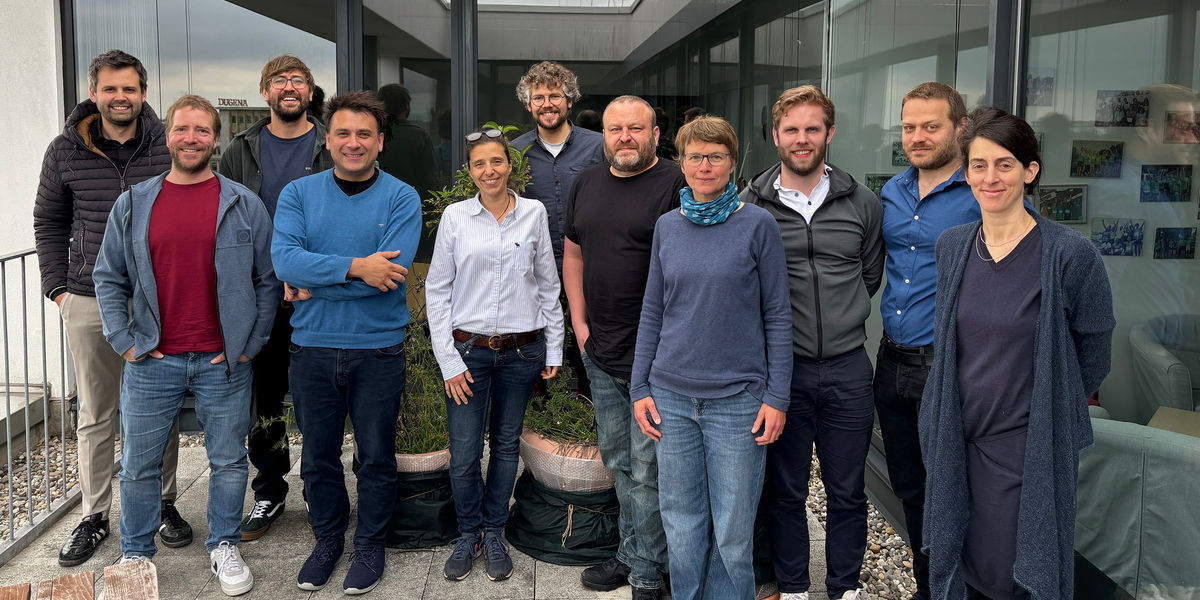
Participants in the project include the University of Münster (MEET Battery Research Center), the Physikalisch-Technische Bundesanstalt (Berlin), the Federal Institute for Materials Research and Testing (BAM, Berlin), the Fraunhofer Institute for Silicate Research ISC (Würzburg), the Öko-Institut e.V. (Darmstadt), and the industry partners Pure Devices GmbH and phase VISION GmbH (both in Rimpar). The consortium is supported by associated partners from the recycling industry, who supply the project with black masses from their recycling processes and provide thematic advisory support.
SHERLOCK enables a decisive step toward a data-driven, quality-assured circular economy in battery recycling . The optimized recycling process and the efficient return of secondary raw materials to the production cycle can also contribute to reducing greenhouse gas emissions by up to 25 percent. The project strengthens the industry’s technological autonomy and makes an important contribution to the sustainable transformation of electric mobility.
Other news from the department science








Most read news









More news from our other portals






















See the theme worlds for related content
Topic World Mass Spectrometry
Mass spectrometry enables us to detect and identify molecules and reveal their structure. Whether in chemistry, biochemistry or forensics - mass spectrometry opens up unexpected insights into the composition of our world. Immerse yourself in the fascinating world of mass spectrometry!

Topic World Mass Spectrometry
Mass spectrometry enables us to detect and identify molecules and reveal their structure. Whether in chemistry, biochemistry or forensics - mass spectrometry opens up unexpected insights into the composition of our world. Immerse yourself in the fascinating world of mass spectrometry!
Topic World Spectroscopy
Investigation with spectroscopy gives us unique insights into the composition and structure of materials. From UV-Vis spectroscopy to infrared and Raman spectroscopy to fluorescence and atomic absorption spectroscopy, spectroscopy offers us a wide range of analytical techniques to precisely characterize substances. Immerse yourself in the fascinating world of spectroscopy!

Topic World Spectroscopy
Investigation with spectroscopy gives us unique insights into the composition and structure of materials. From UV-Vis spectroscopy to infrared and Raman spectroscopy to fluorescence and atomic absorption spectroscopy, spectroscopy offers us a wide range of analytical techniques to precisely characterize substances. Immerse yourself in the fascinating world of spectroscopy!