Electronic nose detects whether meat and fish are still safe to eat
To this end, the Interreg project PRECISE measures cadaverine—a gas produced when proteins decompose
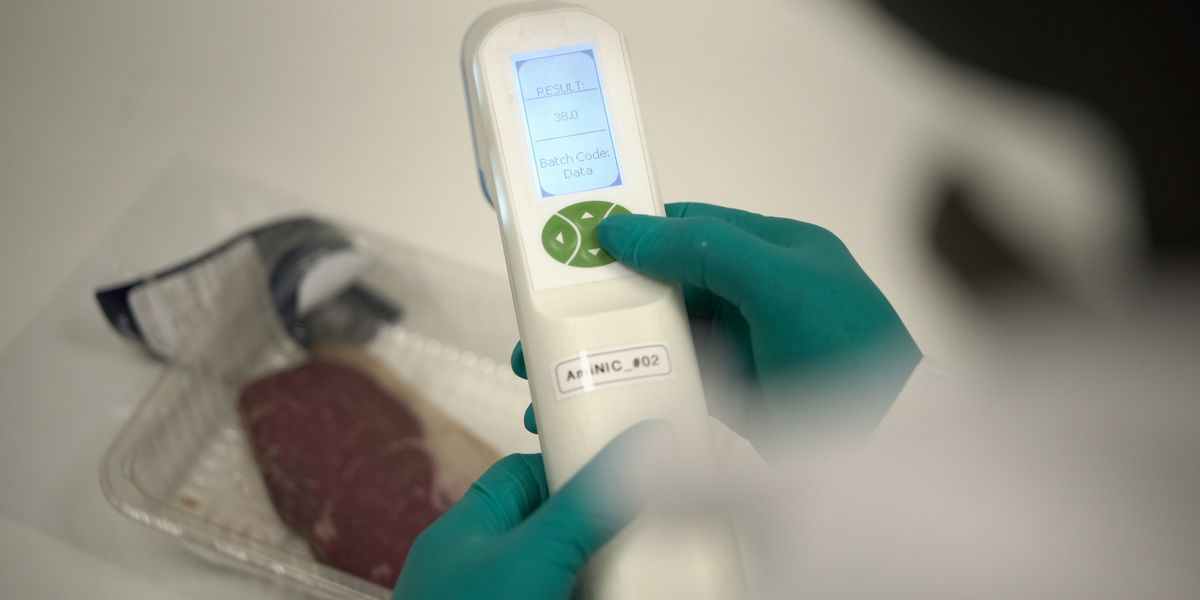
The German-Danish Interreg project PRECISE has developed an electronic nose designed to objectively determine the freshness of meat and fish in real time. The device measures biomarkers of spoilage and can help reduce food waste and use resources more efficiently. For more information, visit https://www.presseportal.de/nr/181564
Worldwide, about one-third of all food produced is thrown away—often because it is unclear how long it will actually last. In the European Union alone, approximately 59 million metric tons of food waste are generated annually. Especially in the case of meat and fish, premature disposal leads to significant economic losses and additional CO2 emissions, as well as increased water and energy consumption.
Electronic nose measures freshness in real time
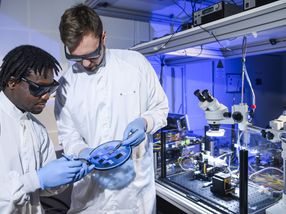
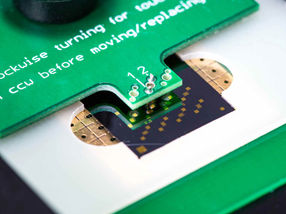
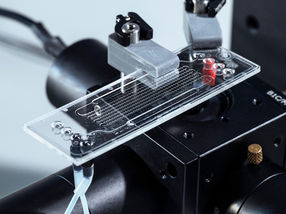
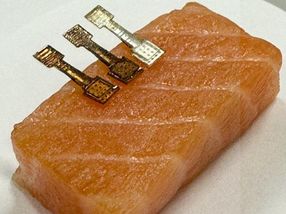
This is where the German-Danish Interreg project PRECISE comes in. Six project partners have developed a so-called “electronic nose” that measures cadaverine—a gas produced when meat and fish spoil. The compact device is intended for future use in retail or the foodservice industry to objectively assess the actual remaining shelf life directly on-site.

Technology Based on Sensor Data and AI
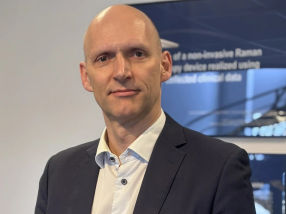
“We’ve developed a device that selectively responds to specific biomarkers of meat freshness,” explains Roana de Oliveira Hansen from the Mads Clausen Institute at the University of Southern Denmark (SDU), the project’s lead partner. Lübeck University of Applied Sciences contributed its expertise in sensor technology, data analysis, and artificial intelligence. “We combine modern sensor technology with data analysis and AI algorithms,” says Prof. Dr.-Ing. Horst Hellbrück of Lübeck University of Applied Sciences.
EU Cohesion Policy Supports Sustainable Innovation
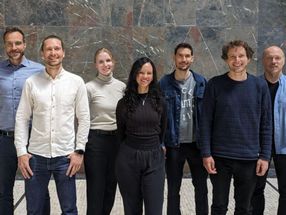
Participants in PRECISE included the University of Southern Denmark (SDU), Lübeck University of Applied Sciences, the KIN Food Institute, the Fraunhofer Institute for Silicon Technology ISIT, Flensburg University of Applied Sciences, and the startup AmiNIC. The project was funded as part of the Interreg Germany-Denmark Program with 1,885,263 euros in European Union funding.
About the Project
The “EUconomy – Partnerships4Prosperity” project presents EU initiatives from Germany and its neighboring countries—Austria, Poland, the Czech Republic, Denmark, and France—through multimedia content packages over a 12-month period. The content highlights key topics such as the economy, innovation, sustainability, vocational training, and digital transformation, and is available to media outlets free of charge.
The “EUconomy – Partnerships4Prosperity” project receives funding from the European Commission.
"
Note: This article has been translated using a computer system without human intervention. LUMITOS offers these automatic translations to present a wider range of current news. Since this article has been translated with automatic translation, it is possible that it contains errors in vocabulary, syntax or grammar. The original article in German can be found here.
Other news from the department research and development