Cats and humans have a lot in common when it comes to cancer
Genome atlas created for cat cancer: New hope for better treatments for cats and humans
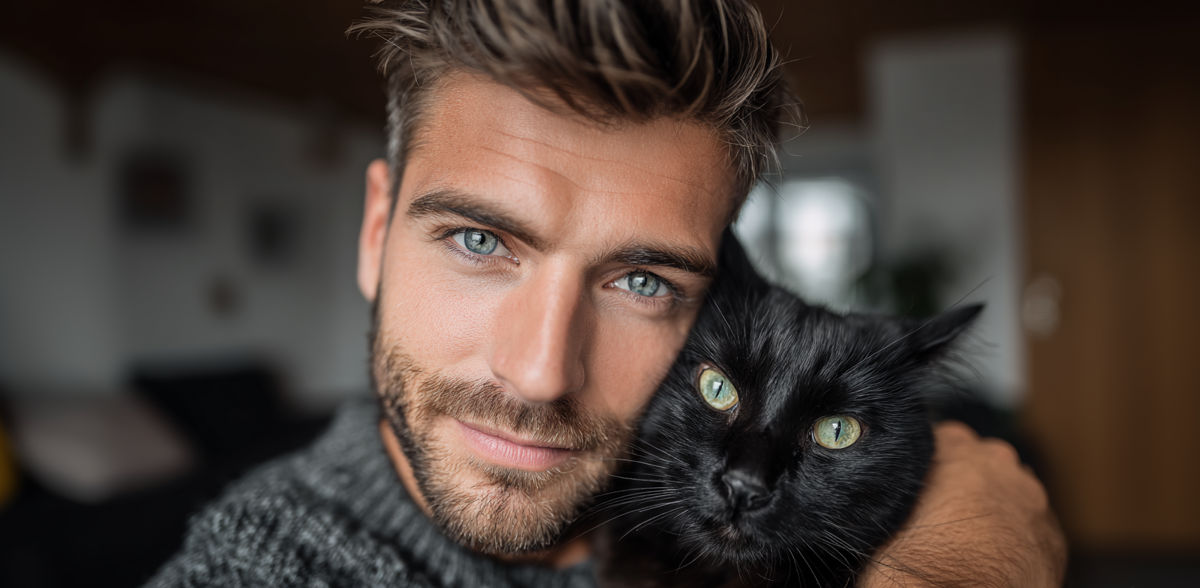
An international research team involving the Vetmeduni has created the largest genetic picture of cat cancer to date. To this end, 493 tumors from 13 different types of cancer were examined - together with healthy tissue from the same cats. The aim of the study was to find out which genetic changes are typical in cat cancer, what this has to do with human cancer and how these findings can be used for new treatments.
The results show: Cats and humans have a lot in common when it comes to cancer. The TP53 gene, which also plays an important role in humans, was particularly often altered in cats. Other genes such as FBXW7, CTNNB1 and PIK3CA were also frequently affected. "The tumor suppressor gene TP53 was altered in around a third of all cases - a clear pattern that we also see in humans," explains Christof Bertram, co-author of the study and assistant professor at the Center for Pathobiology at Vetmeduni Vienna. But there are also differences: for example, the FBXW7 gene is often altered in breast cancer in cats, while TP53 tends to play a role in humans. Such differences could make cats a valuable model for certain types of cancer.
What the research reveals about causes
The study also provides clues as to how cancer develops in cats. In more than half of the cases of skin cancer, the researchers found traces of UV light damage - similar to humans who get too much sun. They also discovered DNA from papillomaviruses in some tumors, which could possibly play a role in the development of cancer. It is also exciting that tumors in cats often follow a certain pattern: Either there are many small mutations or large changes in the chromosomes - but rarely both at the same time. "This either-or pattern is very reminiscent of what we know from human medicine," says Bertram.
New hope: better treatments for cats and humans
The genetic findings could help to treat cancer in cats more specifically in future. In more than half of the tumors studied, the researchers found mutations in genes that can be targeted with drugs. Particularly interesting: some genes have so-called "weak spots" that could be used to specifically target tumor cells. In total, 37% of tumors could be treated in this way. The team also discovered genetic changes in 67 cases that are already considered treatable in human medicine - for example in genes such as KIT or PIK3CA. "From UV damage to precise targets - this study provides a practical map for future treatments in cats and humans," summarizes Christof Bertram.
The study shows how similar cats and humans are when it comes to cancer - and how we can learn from each other. At the same time, the differences between the species reveal new biological connections. This is a major step forward for the so-called One Medicine approach, in which human and veterinary medicine work together to develop better therapies for everyone.
Note: This article has been translated using a computer system without human intervention. LUMITOS offers these automatic translations to present a wider range of current news. Since this article has been translated with automatic translation, it is possible that it contains errors in vocabulary, syntax or grammar. The original article in German can be found here.
Original publication
Bailey A. Francis, Latasha Ludwig, Chang He, Melanie Dobromylskyj, Christof A. Bertram, Heike Aupperle-Lellbach, Hannah Wong, Aiden P. Foster, ... Martin Del Castillo Velasco-Herrera, Kim Wong, Ian C. Vermes, Jamie Billington, Sven Rottenberg, Geoffrey A. Wood, David J. Adams, Louise van der Weyden; "The oncogenome of the domestic cat"; Science, Volume 391
Other news from the department science