Prion fingerprints detected with glowing molecule
An effective and sensitive new method for detecting and characterizing prions, the infectious compounds behind diseases like mad cow disease, is now being launched by researchers at Linköping University in Sweden, among other institutions. The method now being presented in the journal Nature Methods is based on a fluorescent molecule, a so-called conjugated polymer, which was developed at Linköping University.
The research team infected genetically identical laboratory mice with BSE, scrapie (which afflicts sheep), and CWD (chronic wasting disease or "mad elk disease," which is epidemic in the central U.S.) for several generations in a row. Gradually new strains of prions emerge, making the diseases more fatal to the mice. Tissue samples from mice were examined using the fluorescent molecule, which seeks out and binds with prions. This is signaled by a shift in color. By tweaking the molecule, the team has been able to get it to show different colors depending on the structure of the prioneach prion strain emits its own optical fingerprint.
This is an important difference compared with other techniques used to find prions, such as antibodies and the well-known stain Congo red. The technique has also proven to work well on tissue sections from dead animals, such as cows infected with BSE. Now the scientists want to move on and look for alternative sample-taking methods for diagnosing and tracking prion diseases in humans in early stages.
The method would then be useful for screening blood products, since there is a risk that people can be carriers of prions without having any symptoms of disease. In the U.K. it was discovered that 66 people had received blood from blood donors who were infected with the human form of BSE (a variant of Creutzfeldt-Jakob's disease, vCJD), and among them, four individuals have been shown to be infected.
"Using our methods, we can directly see the structure of the prions and thereby deduce the disease," says Peter Nilsson, one of the lead authors of the article. Nilsson developed the technique as a doctoral student at Linköping University and now, as a post-doctoral fellow with Professor Adrian Aguzzi's research team in Zürich, has been applying the technology to prion diseases. After New Year's he will assume a post-doc position at Linköping.
Original publication: Christina J Sigurdson, K Peter R Nilsson, Simone Hornemann, Guiseppe Manco, Magdalini Polymenidou, Petra Schwartz, Mario Leclerc, Per Hammarström, Kurt Wüthrich, and Adriano Aguzzi; "Prion strain discrimination using luminescent conjugated polymers"; Nature Methods 2007.
Other news from the department science








Most read news





More news from our other portals
















See the theme worlds for related content
Topic world Antibodies
Antibodies are specialized molecules of our immune system that can specifically recognize and neutralize pathogens or foreign substances. Antibody research in biotech and pharma has recognized this natural defense potential and is working intensively to make it therapeutically useful. From monoclonal antibodies used against cancer or autoimmune diseases to antibody-drug conjugates that specifically transport drugs to disease cells - the possibilities are enormous
Topic world Antibodies
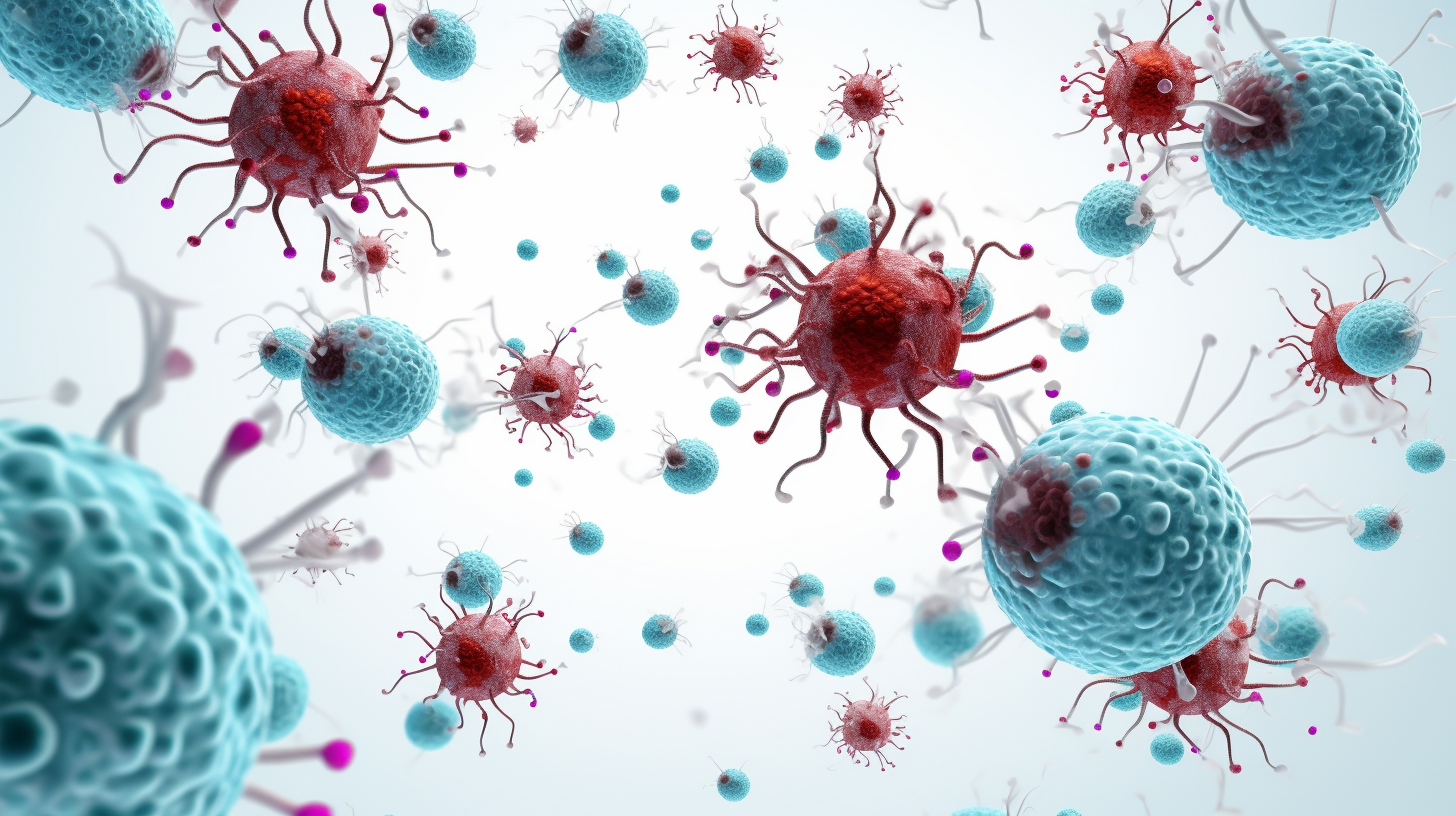
Antibodies are specialized molecules of our immune system that can specifically recognize and neutralize pathogens or foreign substances. Antibody research in biotech and pharma has recognized this natural defense potential and is working intensively to make it therapeutically useful. From monoclonal antibodies used against cancer or autoimmune diseases to antibody-drug conjugates that specifically transport drugs to disease cells - the possibilities are enormous