New polymorph of indomethacin discovered – a rare event in pharmaceutical research
Four research partners identified the κ-form of the painkiller using MicroED on crystals smaller than one micrometre
Rigaku Corporation announced that the results of a joint research project conducted with Shionogi & Co., Ltd., JEOL Ltd., and Meiji Pharmaceutical University have been published in Crystal Growth & Design.
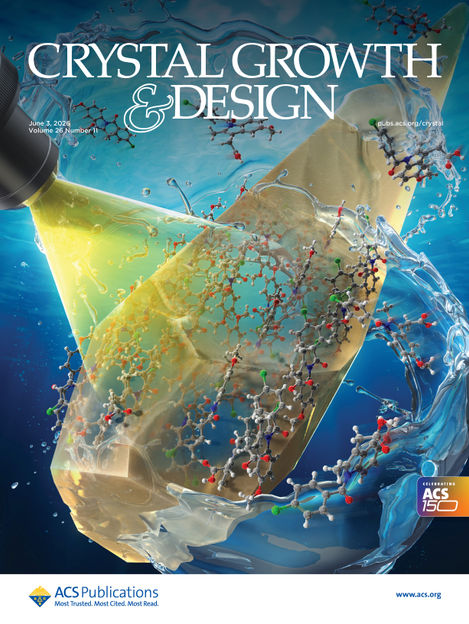
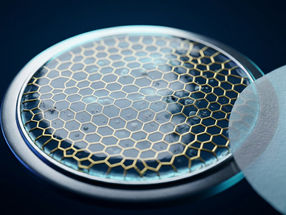
Cover of the June 2026 issue of Crystal Growth & Design, featuring this research.
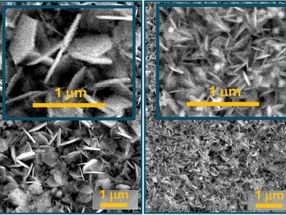
This research uncovered a previously unknown polymorph (κ-form) of indomethacin, a widely used pain relief and anti-inflammatory drug. The research team also conducted structural analysis and characterization of the newly identified crystal form. Although indomethacin has been the subject of pharmaceutical research for years, the discovery of a new polymorph is an extremely rare event, making this discovery highly significant for both crystallography and pharmaceutical research.
Crystal polymorphs are different crystal structures formed from the same chemical compound, resulting in variations in properties such as solubility and stability. Differences among polymorphs are an important research theme in pharmaceutical development, as they affect drug quality and manufacturability. The newly discovered polymorph is expected to deepen understanding in future pharmaceutical research.
Structural analysis in this research project was carried out using the MicroED method with XtaLAB Synergy-ED, a fully integrated electron diffractometer jointly developed by Rigaku and JEOL Ltd. The newly discovered polymorph consisted of extremely small crystals measuring less than one micrometer, making structural analysis difficult using conventional X-ray diffraction methods. By leveraging MicroED technology, the research team successfully determined the crystal structure of the new κ-form.
Furthermore, analysis of molecular arrangements within the crystal revealed intermolecular interactions contributing to the stability of the polymorph. These findings demonstrate the effectiveness of MicroED for discovering previously undetectable polymorphs and highlight its potential to improve pharmaceutical quality and accelerate drug development.
Original publication

Other news from the department science