Unmasking hazardous compounds in cosmetics, skincare products and perfumes
New analytical methodology: Significant detection of hazardous compounds and their effects on cells
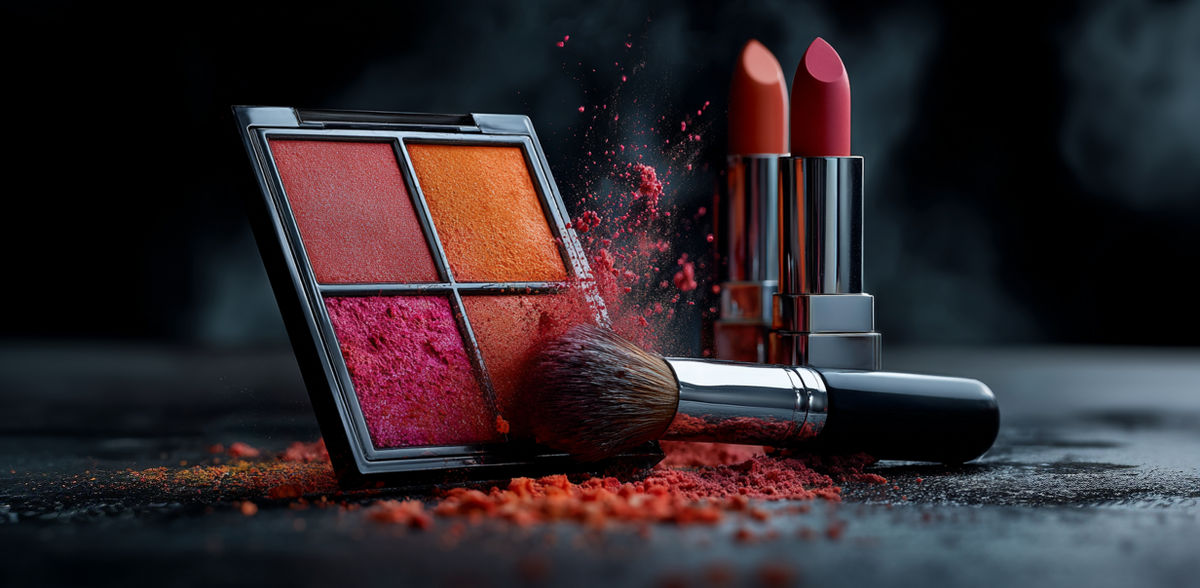
Lifestyle products contain hazardous compounds that have not been detected by previous tests and are not currently regulated. This was demonstrated by scientists from Justus Liebig University Giessen (JLU) using a new analytical methodology, with which they investigated 140 skincare products and cosmetics from 20 product segments as well as over 40 perfumes. They found hazardous compounds that are mutagenic/genotoxic, cytotoxic, antibacterial, neuromodulatory or neurotoxic, and significantly affect the hormonal balance. A possible detoxification of the hazardous compounds in the body was not evident from a simulated liver metabolism. Their studies were published, among others, in the Journal of Chromatography A.
The newly developed methodology of the JLU scientists enables the discovery of unknown hazardous compounds in these complex products and simultaneously examines their effect on cells and receptors. This means that a toxin does not have to be known in order to see its effect. Previously unknown hazardous compounds can be ingredients, but also contaminants, impurities, and degradation products. “We have expanded the current substance separation with effect detection and can now see for the first time how many hazardous compounds are present in such everyday products,” explains Prof. Dr. Gertrud Morlock, Professor of Food Science at JLU. “Complex substance groups such as mineral oils include substances with different toxicities, which can lead to completely different effects with the same amount but different representatives of this substance group. With the previous analytical methods, substances are overlooked that lie outside the focus but still have a hazardous effect. Or the entire substance group is captured, which can be more or less harmful. The new methodology is more informative and improves our understanding of such complex products.”
In most of the products studied, such as lipsticks, skincare creams, wound creams, and nipple creams, the scientists found relevant amounts of hazardous compounds that are not currently regulated. It is difficult to prove exactly what effect these hazardous compounds have on humans or the environment. It is conceivable that they influence the skin microbiome and the body, especially if they enter the bloodstream directly through wounds, micro-cracks in the skin, which can occur, for example, when shaving, or bleeding gums. The hazardous compounds could also have effects on nature and the environment through washing off.
The new methodology also opens up possibilities to minimize the hazardous compounds in products: hazardous compounds discovered through combined sample separation and effect detection can efficiently be further investigated and even identified. This allows to find out where these hazardous compounds come from and how they can be avoided in future products.
The analytical methodology is easy to integrate and implement. The JLU scientists also developed the cost-effective open-source 2LabsToGo-Eco, enabling manufacturers and authorities to better test and thus minimize exposure to hazardous compounds of lifestyle products, cosmetics, foods, feeds, and environmental samples in the future.
“Our studies also show that there are already some products that perform better today," says Prof. Morlock. “Products labelled as free from mineral oil residues contained comparatively fewer genotoxic and mutagenic mineral oil residues. Nevertheless, it is urgently necessary to act due to the large number of affected cosmetics and skincare products, which consumers usually use several times a day. One possibility would be the minimization concept, which continuously reduces hazardous compounds in the products and improves both consumer protection and environmental protection in the medium term.”
Original publication
Gertrud E. Morlock; "Chemical safety screening of products – better proactive"; Journal of Chromatography A, Volume 1752
Gertrud E. Morlock, Luisa Zoller; "Fast unmasking toxicity of safe personal care products"; Journal of Chromatography A, Volume 1752
Gertrud E. Morlock, Julia Heil; "Fast unmasking hazards of safe perfumes"; Journal of Chromatography A, Volume 1754
Maria C.O. Romero, Kevin Jakob, Johannes Schmidt, Thomas Nimmerfroh, Wolfgang Schwack, Gertrud E. Morlock; "Consolidating two laboratories into the most sustainable lab of the future: 2LabsToGo-Eco"; Analytica Chimica Acta, Volume 1367

Other news from the department science











Most read news








More news from our other portals

























Last viewed contents
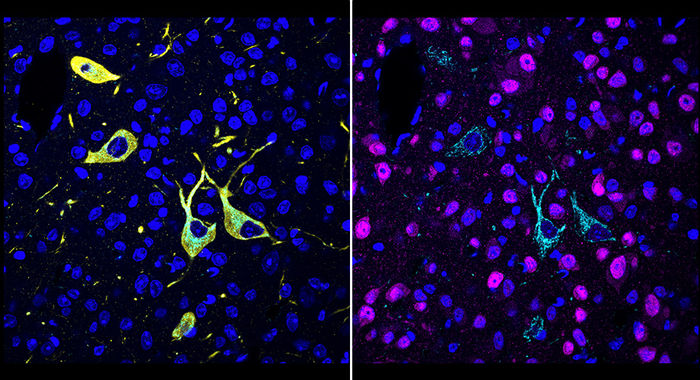
New technique shows in detail where drug molecules hit their targets in the body - The new method could speed the development of many new drugs
Thermo Fisher Scientific and George Mason University Partner in Protein Biomarker Research Project - Collaboration Aims to Accelerate Verification and Validation of Protein Biomarkers for Earlier Disease Diagnosis and Therapeutic Efficacy
Flemish researchers provide the first experimental evidence of dynamic allostery in protein regulation
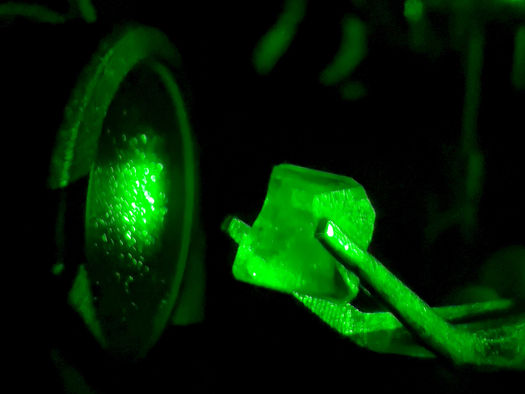
Revolutionary images of the birth of crystals - A team from the UNIGE has succeeded in visualizing crystal nucleation - the stage that precedes crystallization - that was invisible until now