Amorfix detects vCJD prions in blood from non-human primates
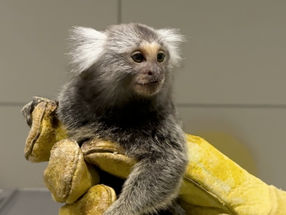
Amorfix Life Sciences announced it has detected prions in blood from non-human primates that were orally-infected with BSE and developed a primate version of vCJD.
"Amorfix was able to obtain only a limited number of these very rare primate samples. Considering the small number of samples tested, these results are promising," said Dr. Neil Cashman, Chief Scientific Officer of Amorfix. "Given these results and the similarity of this primate model to humans, it is important to now test human vCJD blood samples."
Blood samples were obtained from a European-sponsored vCJD primate study. Amorfix previously reported detecting endogenous prions in blood from sheep with prion disease (scrapie), but biochemical detection of vCJD endogenous prions in cynomolgus primates has never before been reported. It is known that the blood from primates with vCJD is infectious as transfusion of the blood resulted in transmission of the disease. The Company made minor modifications to its EP-vCJD™ blood screening assay in order to test the primate samples.
The results of the study demonstrated a trend in the measure of prion detection. The highest signals were detected in blood from two non-human primates, one of which was clinically symptomatic and one which was presymptomatic. Blood samples from two other pre-symptomatic animals were found to have intermediate results. Each sample was tested on two separate days in blinded panels that included control plasma samples. These rare primate samples were the only ones available at this time from the European study which is ongoing. The Company is seeking additional samples to determine the variability in clinical and preclinical levels in primates infected with BSE that come down with the primate equivalent of vCJD.
Other news from the department research and development