First of 100 Arab Human Genomes Sequenced by Saudi Biosciences, Beijing Genomics Institute Shenzhen, and CLC bio
An international consortium consisting of Saudi Biosciences, Beijing genomics Institute Shenzhen, and CLC bio have in a joint effort performed an initial sequencing and analysis of the first Arab human genome, as part of a large project to sequence 100 Arab human genomes to map the unique genetic variations of the Arab population.
His Royal Highness Prince Ahmad bin Sultan bin Abdulaziz, Head of the Board of Directors at Saudi Biosciences, said “This marks the first milestone in our goal to pioneer the personalized medicine era in the Arab world, and the next step is to lead a large project to sequence 100 Arab genomes at high resolution no later than the end of 2010. Our ambitions are to make this project go beyond similar international efforts, both in terms of quality and quantity!”
After Saudi Biosciences launched this project early 2008, an international joint collaboration with Beijing Genomics Institute and CLC bio was organized. The data was assembled and analyzed using CLC bio’s CLC Genomics Workbench.
The results, including analysis and identification of the unique variants of the Arab genome compared to African, European and Asian genomes, have been accumulated. The data are currently confidential but will be released following publication.
Other news from the department science











Most read news







More news from our other portals

























Last viewed contents
Genetic screening before embryo transfer fails to improve the chance of a baby
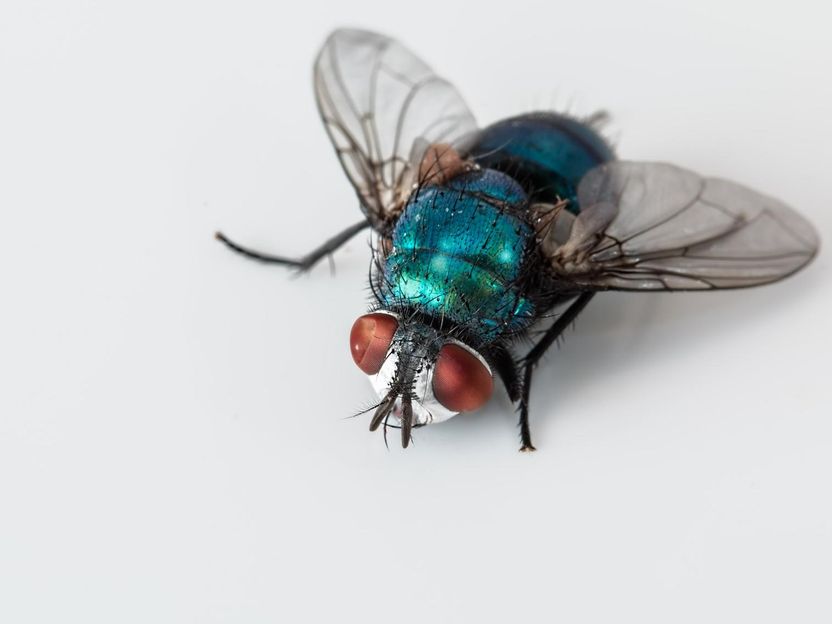
Blow flies can be used to detect use of chemical weapons, other pollutants - Using mass spectrometry to determine the chemicals in the blow flies' guts

Study of skin biopsies offers potential as new diagnostic marker for Amyotrophic Lateral Sclerosis - The discovery of this biomarker detectable in small skin samples can be very useful for cases in which diagnosis is difficult
Thermo Fisher Scientific and George Mason University Partner in Protein Biomarker Research Project - Collaboration Aims to Accelerate Verification and Validation of Protein Biomarkers for Earlier Disease Diagnosis and Therapeutic Efficacy
Flemish researchers provide the first experimental evidence of dynamic allostery in protein regulation
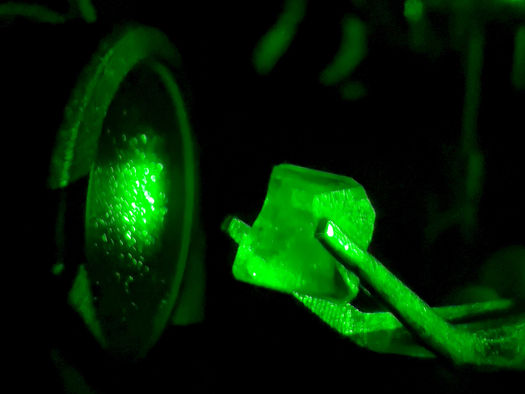
Revolutionary images of the birth of crystals - A team from the UNIGE has succeeded in visualizing crystal nucleation - the stage that precedes crystallization - that was invisible until now