Rethinking research: sustainability for climate-friendly science
The Leibniz-HKI is committed to sustainable research and is developing a concept to make work processes in science and administration more resource-efficient
In order to meet the challenges of the climate crisis, it is also important for research institutes to contribute to environmentally friendly research - without compromising scientific quality. This is why the Leibniz Institute for Natural Product Research and Infection Biology, Leibniz-HKI, is currently developing a sustainability concept.
The focus is on avoiding (plastic) waste in the laboratory, reducingCO2 emissions and saving energy. Numerous measures are already being implemented - for example, the installation of ventilation systems with efficient heat recovery or the use of waste heat from server rooms. A photovoltaic system was installed on the HKI Biotech Center in 2022, gas consumption was also reduced and, where possible, freezer temperatures were raised from -80°C to -70°C.
Sustainability starts in the lab
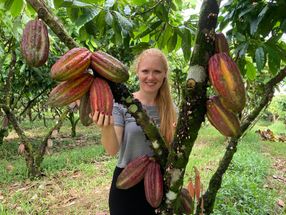
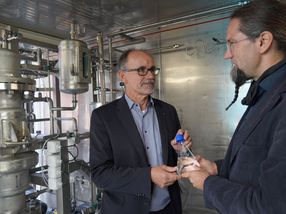
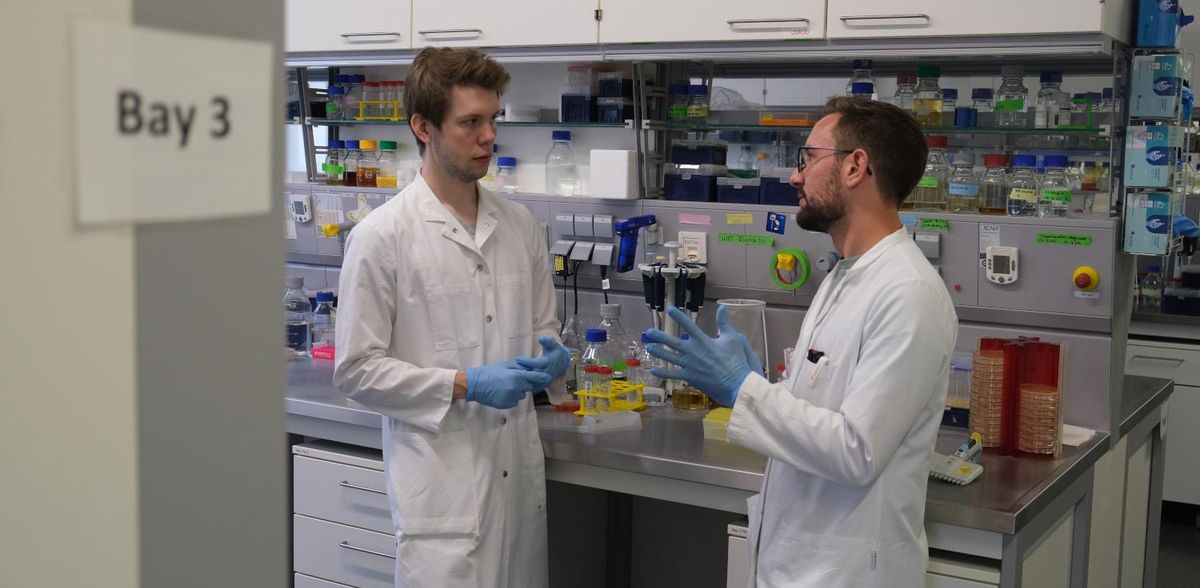
However, as sustainability begins with practical work in the laboratory, the Leibniz-HKI enlisted the support of expert Patrick Penndorf. The biochemist has been active in sustainability consulting worldwide since 2022 and focuses on the integration of sustainable practices in scientific processes. His aim is to create long-term solutions that result not only in ecological, but also scientific and economic benefits for laboratories. Patrick Penndorf is convinced that the ecological footprint in research can be significantly reduced: "Sustainability in science means much more than being environmentally friendly. It's about optimizing scientific processes - better data quality, more efficient workflows, time and cost savings. Only what protects and improves science itself is truly sustainable."
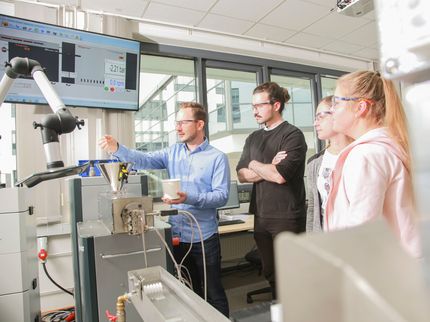
Microbiological and infection biology research places high demands on consumables, and the sterile conditions in laboratories in particular mean that large quantities of disposable plastic are produced, most of which cannot be recycled. The long-term goal is to redesign these processes in a resource-conserving and environmentally conscious manner without compromising scientific quality and taking the needs of researchers into account. Simple adjustments can save up to 65% of plastic waste. Patrick Penndorf looks at the individual experimental steps together with the Leibniz-HKI scientists, gives specific tips for more sustainable work and encourages active sharing of experiences.
In day-to-day laboratory work, there are numerous other levers for greater sustainability: optimizing equipment settings can save energy and make processes more efficient. Revised protocols, e.g. for solvent quantities, reduce consumption without any loss of quality. Structural measures such as energy plans and team exchanges promote a joint rethink.
Sustainability is a process
Administrative processes can also be made sustainable. For example, the Leibniz-HKI has set up a flight compensation fund to compensate for business-related air travel. The funds are reinvested for purchases with a more positive carbon footprint. The issue of reducing energy andCO2 emissions will also play a role in future refurbishment work on existing buildings in the interests of monument protection. By developing the concept, the institute has taken the first steps on the long road to raising awareness of sustainability in research.
"Researching and working in a sustainable and environmentally friendly way is both a process and a challenge. We are happy to take on these tasks, as they make a lasting contribution to positive climate development. As a Leibniz Institute, we want to play our part and set a good example," says Axel Brakhage, Director at the Leibniz-HKI.
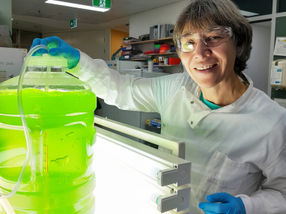
Targeted optimization of work processes can reduce up to 65% of plastic waste in the laboratory.
Note: This article has been translated using a computer system without human intervention. LUMITOS offers these automatic translations to present a wider range of current news. Since this article has been translated with automatic translation, it is possible that it contains errors in vocabulary, syntax or grammar. The original article in German can be found here.
Other news from the department science