Simple urine test may help early detection of brain tumors
MicroRNAs in urine is a promising biomarker
A recent study by Nagoya University researchers revealed that microRNAs in urine could be a promising biomarker to diagnose brain tumors. Their findings, published in the journal ACS Applied Materials & Interfaces, have indicated that regular urine tests could help early detection and treatment of brain tumors, possibly leading to improved patient survival.
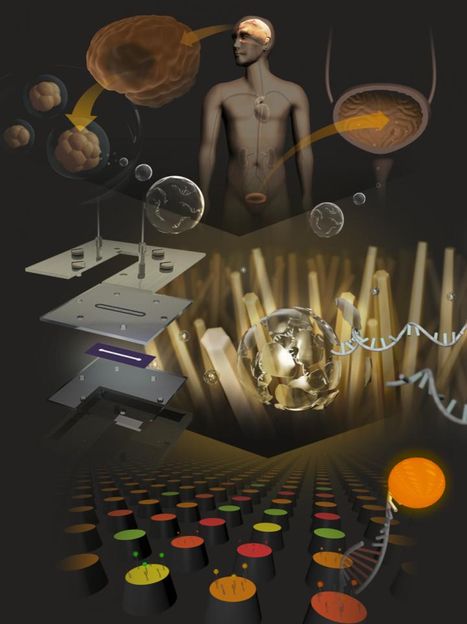
Nanowire scaffolds for the screening of microRNAs from patient-derived tumor-organoid and urine in patients with central nervous system tumors
Takao Yasui & Atsushi Natsume
Early diagnosis of brain tumors is often difficult, partly because most people undergo a brain CT or MRI scan only after the onset of neurological deficits, such as immobility of limbs, and incapability of speech. When brain tumors are detected by CT or MRI, in many cases, they have already grown too large to be fully removed, which could lower patients' survival rate. From this perspective, accurate, easy, and inexpensive methods of early brain tumor detection are strongly desired.
As a diagnostic biomarker of cancerous tumors, microRNAs (tiny molecules of nucleic acid) have recently received considerable attention. MicroRNAs are secreted from various cells, and exist in a stable and undamaged condition within extracellular vesicles in biological fluids like blood and urine. Nagoya University researchers focused on microRNAs in urine as a biomarker of brain tumors. "Urine can be collected easily without putting a burden on the human body," says Nagoya University Associate Professor Atsushi Natsume, a corresponding author of the study.
"Urine-based liquid biopsy hadn't been fully investigated for patients with brain tumors, because none of the conventional methodologies can extract microRNAs from urine efficiently in terms of varieties and quantities. So, we decided to develop a device capable of doing it."
The new device they developed is equipped with 100 million zinc oxide nanowires, which can be sterilized and mass-produced, and is therefore suitable for actual medical use. The device can extract a significantly greater variety and quantity of microRNAs from only a milliliter of urine compared to conventional methods.
Their analysis of microRNAs collected using the device from the urine of patients with brain tumors and non-cancer individuals revealed that many microRNAs derived from brain tumors actually exist in urine in a stable condition.
Next, the researchers examined whether urinary microRNAs can serve as a biomarker of brain tumors, using their diagnostic model based on the expression of microRNAs in urine samples from patients with brain tumors and non-cancer individuals. The results showed that the model can distinguish the patients from non-cancer individuals at a sensitivity of 100% and a specificity of 97%, regardless of the malignancy and size of tumors. The researchers thus concluded that microRNAs in urine is a promising biomarker of brain tumors.
The researchers hope that their findings will contribute to early diagnosis of aggressive types of brain cancer, like glioblastomas, as well as other types of cancer. Dr. Natsume says, "In the future, by a combination of artificial intelligence and telemedicine, people will be able to know the presence of cancer, whereas doctors will be able to know the status of cancer patients just with a small amount of their daily urine."
Original publication
Other news from the department science






Most read news




More news from our other portals



















Last viewed contents
Researchers develop sensors for the “charge” of biological cells - Biosensors show the ratio of NADPH to NADP⁺ in living cells in real time for the first time
CSHL scientists harness logic of 'Sudoku' math puzzle to vastly enhance genome-sequencing capability - 'DNA Sudoku' pools multitude of DNA samples for sequencing in manner analogous to solving a Sudoku grid
High harmonics illuminate the movement of atoms and electrons - Detailed new insights into atomic motions
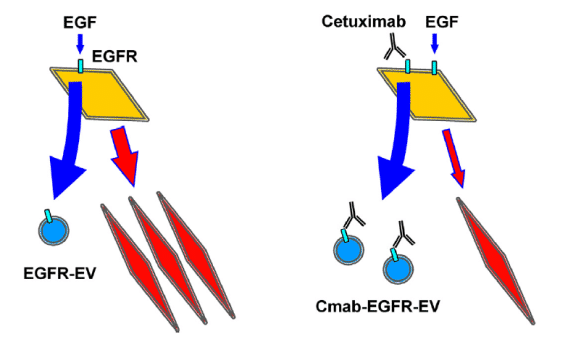
Resistance to the anti-cancer medication cetuximab - Insights into mechanisms
Zoom in to watch DNA code being read
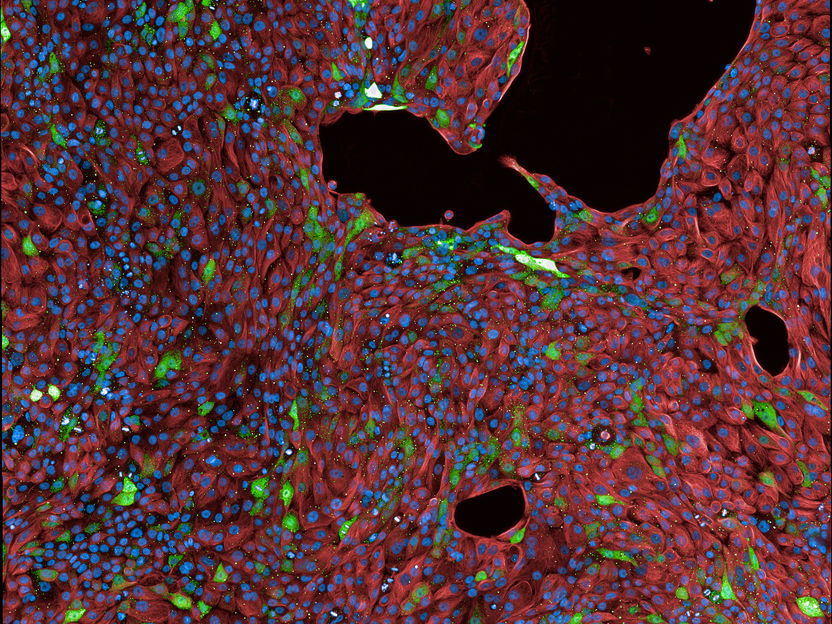
New technology to study virus infections - "It may be possible to rapidly address emerging pandemics in the future by tailoring our tool to recognize novel viral strains"
New test opens path for better 2-D catalysts
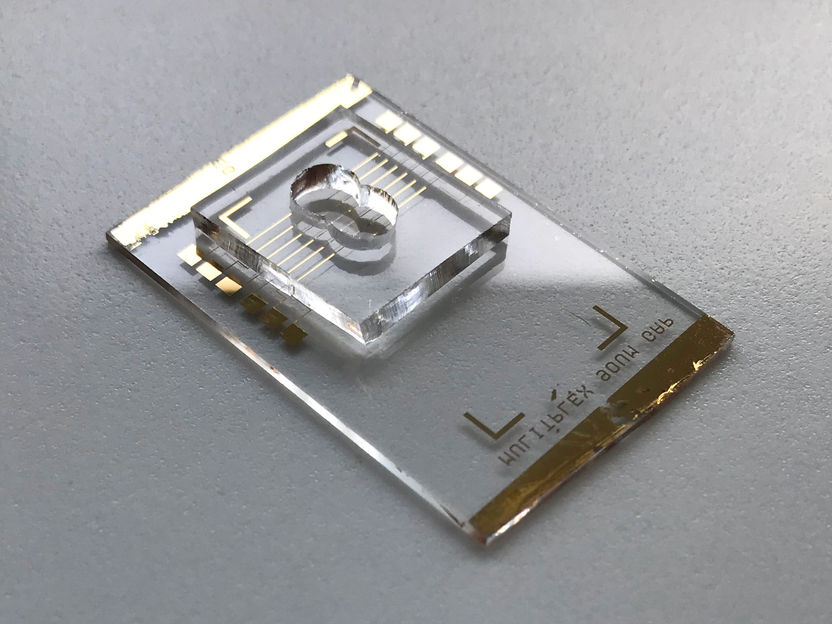
Nanobiosensor Developed for Detecting SARS-CoV-2 - New sensor technology breakthrough against the pandemic
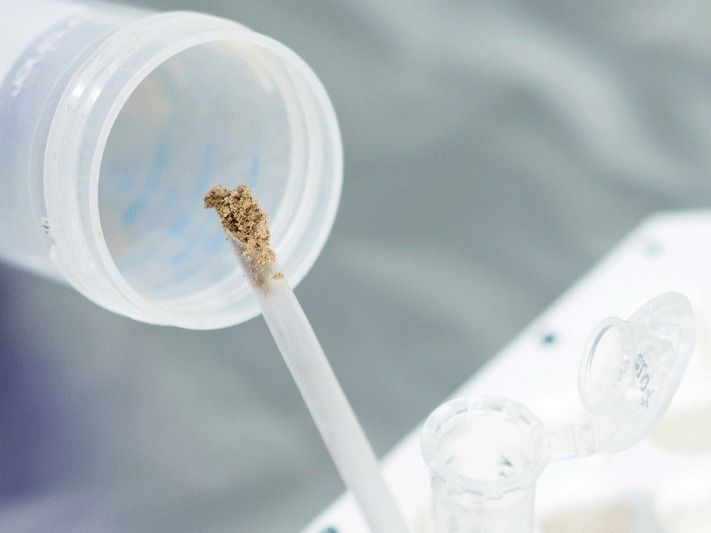
DNA from extinct humans discovered in cave sediments - New method retrieve hominin DNA from cave sediments – even in the absence of skeletal remains
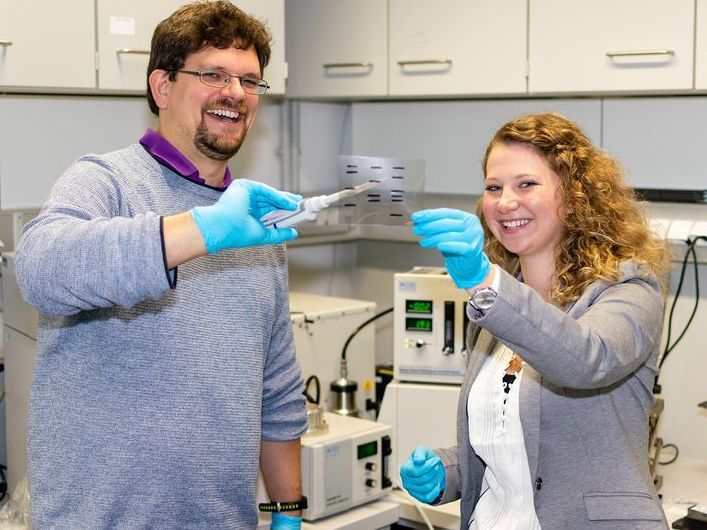
Researchers have succeeded for the first time in analyzing nanovesicles and proteins in parallel - This is important to determine the quality of a sample and to clearly attribute effects to the transport vesicles
Physicists create giant trilobite molecules - Results are important to understand the chemical binding mechanisms of them, which is distinct from all other chemical bonds