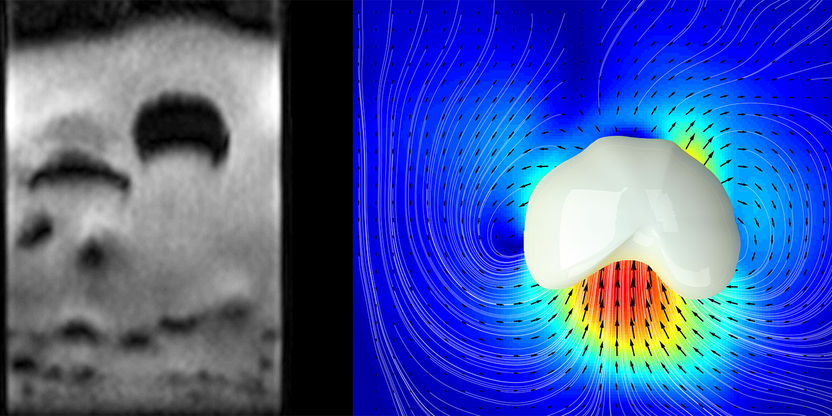
Life-preserver microbubbles float tumor cells for analysis
A University of Colorado cancer Center study presented at the American Association for Cancer Research Annual Meeting 2016 demonstrates the use of gas microbubbles to selectively attach to and float circulating tumor cells from blood samples, allowing analysis of the isolated cells.
"Microbubbles have been used as an ultrasound contrast agent. You inject them into a patient and they reflect sound. But while I was working as a postdoc, I realized that because they float they could be used to isolate tumor cells," says Dmitri Simberg, PhD, investigator at the CU Cancer Center and assistant professor at the Skaggs School of Pharmacy and Pharmaceutical Sciences.
Basically, the system works by pairing a buoyant microbubble with a marker that recognizes and attaches to a circulating tumor cell. The cell, with microbubble attached, then floats to the top of the sample where it can be harvested.
"Imagine you have ten cancer cells in a milliliter of blood. Our technique would successfully discover and isolate eight of those cells," Simberg says.
Circulating tumor cells are cells shed from a primary tumor that then travel through the blood system. While many solid tumors originate from epithelial tissue, blood cells do not, and so these rare circulating tumor cells are distinguished from surrounding blood cells by unique cell-surface proteins. Simberg and colleagues from Moores UCSD Cancer Center use tools of the immune system to exploit this difference.
Specifically, the body's immune system uses antibodies to recognize antigens - for example, a T cell with an antibody specific to antigens on an influenza virus would help the T cell recognize, attach to, and degrade the virus. Simberg and colleagues use antibodies designed to recognize antigen-like markers of epithelial cells. When antibody-enhanced microbubbles are introduced to blood, the antibody seeks its epithelial antigen and the antibody-antigen system binds a buoyant microbubble to a circulating tumor cell.
The current study reports the results of this technique in harvesting cancer cells intentionally hidden in samples of healthy human blood, as well as from blood samples of metastatic breast and ovarian cancers. As expected the technique did not isolate cancer cells from samples of tumors that were of non-epithelial origin, including glioblastoma and metastatic melanoma. Simberg hopes to continue with clinical samples taken from cancer patients.
"These circulating tumor cells are extremely rare and extremely fragile and you have to get them undamaged. We believe that this technique is a rapid, inexpensive way to do that," Simberg says.
Once isolated and harvested, cancer cells could be used to inform prognosis, determine the genetic characteristics of a cancer to help match the disease with targeted treatment, or to further culture these cells for drug testing.
Other news from the department science





Most read news




More news from our other portals














Last viewed contents
Mast cells: sentinels and high-speed messengers of the immune defense - A team of scientists unravels a crucial mechanism of cell-cell-communication during the defense against pathogens
VWR International Acquires INTERNATIONAL P.B.I. S.p.A. - VWR strengthens its position in Italy
Molecular imaging hack makes cameras 'faster'
DataApex audited for ISO 9001 standards
Brain imaging gives new insight into mental disorders
Pain sensors specialized for specific sensations
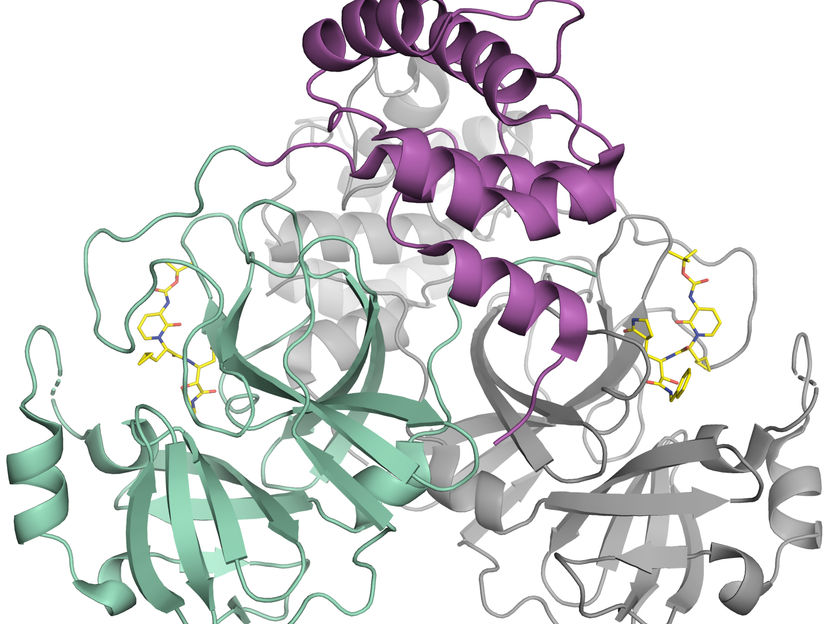
Corona research at BESSY II: Two days of measuring operation to find the right key
Sensor to search for artery hardening compounds in blood
Potent, puzzling and (now less) toxic: How antifungal drug works
Merck’s new spin-off to focus on infertility treatment