Leica Microsystems’ STED Super-Resolution Microscope Again Awarded for its Innovative Technology
The Scientist Top 10 Innovations Award for Leica TCS SP8 STED 3X
The Scientist magazine has chosen the Leica TCS SP8 STED 3X as one of the Top 10 Innovations 2014 that will change the way life scientists work. An independent jury of experts from science and industry selected the latest generation of Leica Microsystems’ super-resolution microscopes. This is the second time that the Leica TCS SP8 STED 3X scores with its highly innovative concept and super-resolution technology, having also won the R&D 100 Award of R&D Magazine.
The Leica TCS SP8 STED 3X super-resolution microscope was launched in December 2013. It is based on STimulated Emission Depletion (STED) technology. The Leica TCS SP8 STED 3X enables researchers to observe life’s details with multiple colors at the same time, fast enough for live cell imaging, and in three dimensions. It can achieve resolutions below 30 nm. Furthermore, resolution is tunable and can be adapted to the research question – routinely, quickly, and directly, with standard fluorophores such as GFP and Alexa dyes.
“Super-resolution microscopy is gaining importance, and super-resolution users confirm, this will be the standard for fluorescence imaging within a couple of years. Resolving details at nanoscale, and the ability to observe these small biological entities and their dynamics even in living specimen enables scientists to answer questions one would not have dared to ask about a decade ago,” says Dr. Bernd Saegmueller, Director Confocal Laser Scanning Microscopy. “We are very proud of this award. Receiving it shows that we succeeded in implementing cutting-edge technology into a reliable, easy-to-use STED microscope, which routinely delivers super-resolved images and serves our customers’ needs. The significance of STED microscopy for modern science was also emphasized by awarding this year’s Nobel Prize for Chemistry to its inventor Stefan Hell.”
Other news from the department business & finance


















These products might interest you

Most read news









More news from our other portals



























See the theme worlds for related content
Topic world Fluorescence microscopy
Fluorescence microscopy has revolutionized life sciences, biotechnology and pharmaceuticals. With its ability to visualize specific molecules and structures in cells and tissues through fluorescent markers, it offers unique insights at the molecular and cellular level. With its high sensitivity and resolution, fluorescence microscopy facilitates the understanding of complex biological processes and drives innovation in therapy and diagnostics.

Topic world Fluorescence microscopy
Fluorescence microscopy has revolutionized life sciences, biotechnology and pharmaceuticals. With its ability to visualize specific molecules and structures in cells and tissues through fluorescent markers, it offers unique insights at the molecular and cellular level. With its high sensitivity and resolution, fluorescence microscopy facilitates the understanding of complex biological processes and drives innovation in therapy and diagnostics.
Last viewed contents
Catalyst mystery unlocked

Gateway to the brain
Better biopsies through biofluidics

Exploiting high speed light for super slow science
Why some kidney transplants don’t work
RAD-tagging technology is demystifying genome sequencing - University of Oregon researchers document how their technique quickly puts a genome together
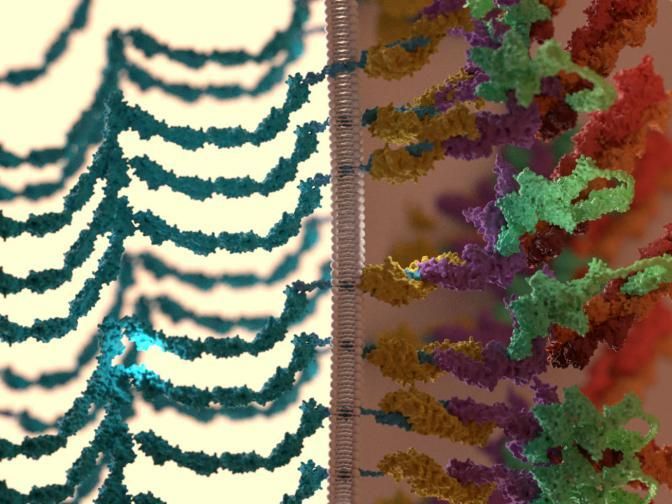
Illuminating the contacts
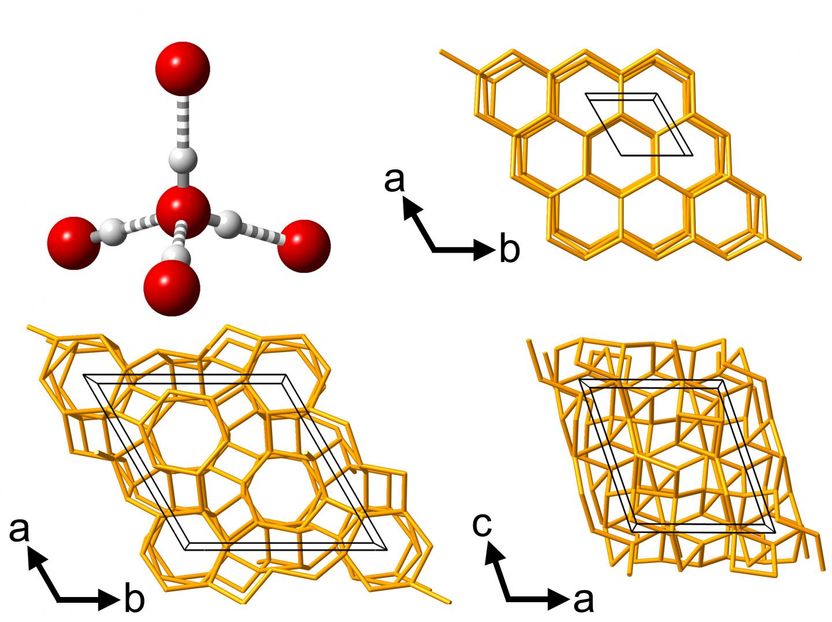
Probing exotic ices
A well-matched couple - A new setup for hybrid photoacoustic and ultrasound imaging with optical ultrasound detection provides perfectly co-registered dual-modality section images
Corgenix to develop diagnostic tests for bioterrorism agents under multi-million dollar NIH contract - Company expands presence into BioDefense
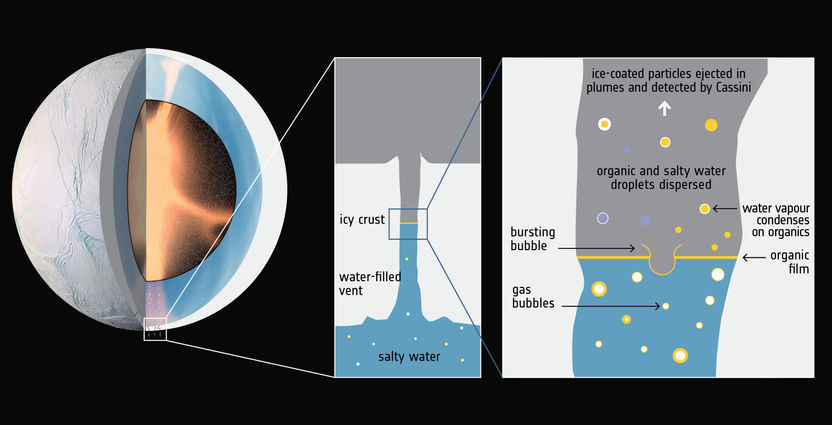
Bacteria beyond Earth? - Signs of life detectable in single ice grains emitted from moons orbiting Saturn and Jupiter