Long, mysterious strips of RNA contribute to low sperm count
"infertility affects 10 to 15 percent of couples in the United States, with the vast majority of cases due to unknown causes. Approximately 40 percent of these cases are due to male infertility," said senior author Khalil. Khalil and colleagues have been working to understand genetic mechanisms behind male infertility.
His work focuses on long strands of genetic material with elusive functions. The strands, called "long non-coding RNAs" or "lncRNAs" don't seem to encode proteins, but have been implicated in everything from cancer to brain function. Many are located in the testes, suggesting they could also play a role in fertility.
Said Khalil,"LncRNAs have only been discovered several years ago, and thus, provide a great opportunity to explore novel therapeutic targets for a variety of conditions."
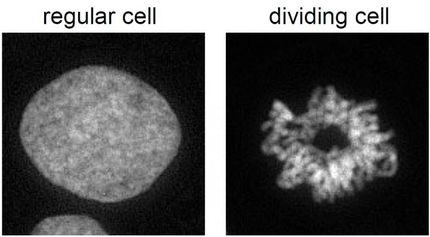
A team of seven researchers, led by Khalil, collected and measured lncRNA levels during the process of cellular differentiation that leads to sperm production. They found that specific lncRNAs are associated with each stage of sperm development. The researchers also identified lncRNAs and mRNAs that are testes-specific--that is, not found in other human or mouse tissues. The Case Western Reserve School of Medicine Genomics core facility performed the RNA sequencing.
The authors also collaborated with the Case Western Reserve Transgenic and Targeting core facility to create genetically-modified male mice lacking one particular lncRNA. They used these mice to assess how the loss of this one lncRNA affects overall mouse fertility. Mice provide a model to study human sperm development as the process is highly conserved between the two species.
The team found "massive changes" in lncRNAs produced in cells that eventually give rise to mouse sperm. Each stage of sperm development was associated with different lncRNAs. Said Khalil, "This indicates that lncRNAs are critical for orchestrating this complex biological process." Many of the lncRNAs were strictly found in mouse testes, further implicating them in reproduction and fertility.
Interestingly, the study found a subset of lncRNAs are able to escape gene silencing processes that help turn off unnecessary genes on the X and Y sex chromosomes during sperm development. The X and Y sex chromosomes determine whether a sperm will produce a male or female embryo. The function of lncRNAs that escape silencing is yet to be determined, say the authors, but could include previously unknown mechanisms of gene regulation.
One lncRNA--that the researchers found in very high amounts in mouse testes--also appears to help control sperm count. Mice without this lncRNA were fertile and sired normal litters, but had an approximately 20% reduction in sperm count, compared to healthy siblings. The findings suggest this lncRNA could serve as a potential biomarker or therapeutic target for male infertility drugs. The researchers are planning further study of it and other lncRNAs.
"We have identified several other lncRNAs that may also play a role in reproduction. We will study the functional roles of these lncRNAs in mouse models in which each lncRNA is deleted," Khalil said. "Studies in samples obtained from infertile men may also help us identify human lncRNAs involved in human infertility."
"We have demonstrated for the first time that new types of genes, lncRNAs, are important for male fertility," Khalil said. "This is a step closer to uncovering new genetic causes of infertility."
Said Khalil in reference to the mouse studies, "Our findings demonstrate that dysregulation of specific mammalian lncRNAs is a novel mechanism of low sperm count and potentially infertility."
"Recent studies have shown that the human genome encodes at least 20,000 functional lncRNA genes. These genes produce RNA molecules that exert regulatory effects on many critical biological processes. In some cases, if one or more of these lncRNAs do not function properly, they contribute to human disease and disorders," Khalil explained.
"Our hope is that lncRNAs can be used in future RNA-based therapeutic approaches," Khalil said.
The researchers studied developing mouse sperm cells, and only some of these results will translate to human sperm development. Mice have different lncRNAs encoded in their genome than humans, and thus, studies in human samples are a logical next step.
Original publication
Other news from the department science