Beckman Coulter Cytometer accepted by WHO prequalification of in vitro diagnostics programme
Beckman Coulter Life Sciences announced that their Aquios CL flow cytometer has been accepted by the World Health Organization (WHO) Prequalification of In Vitro Diagnostics Programme. It can now be used specifically for the immunologic assessment of patients having, or suspected of having, immune deficiency.
The World Health Organization (WHO) Prequalification of In Vitro Diagnostics (IVDs) Programme aims to promote and facilitate access to safe, appropriate and affordable in vitro diagnostics of good quality in an equitable manner. Focus is placed on in vitro diagnostics for priority diseases and their suitability for use in resource-limited settings.
The Prequalification IVD Programme has accepted the Aquios CL cytometer together with the Aquios Tetra‐1 Panel (CD45‐FITC/CD4‐RD1/CD8‐ ECD/CD3‐PC5) and Aquios Immuno‐Trol/Immuno‐Trol low controls. They are intended for use with in‐vitro diagnostic flow cytometric applications, involving four fluorescent detection channels using a blue (488 nm) laser, two light scatter detection channels and electronic volume (EV).
“Beckman Coulter is committed to developing HIV monitoring solutions that contribute directly to the treatment process,” explained Mario Koksch PhD, Vice President of the Cytometry Unit for Beckman Coulter Life Sciences.
The company’s CARES (Cellular Accessible Retroviral Evaluation Systems) Initiative is designed to provide innovative solutions for the monitoring of HIV and AIDS treatment. It started in 2004 after Professor Debbie Glencross, a South African laboratory pathologist, found a different and less expensive way to measure a patient’s CD4 count. The development of this compact, fully automated instrument to run that assay and carry out the accurate characterization of T cell CD4 subsets is the latest part of this initiative.
Other news from the department research and development








Most read news




More news from our other portals














See the theme worlds for related content
Topic World Cell Analysis
Cell analyse advanced method allows us to explore and understand cells in their many facets. From single cell analysis to flow cytometry and imaging technology, cell analysis provides us with valuable insights into the structure, function and interaction of cells. Whether in medicine, biological research or pharmacology, cell analysis is revolutionizing our understanding of disease, development and treatment options.
Topic World Cell Analysis
Cell analyse advanced method allows us to explore and understand cells in their many facets. From single cell analysis to flow cytometry and imaging technology, cell analysis provides us with valuable insights into the structure, function and interaction of cells. Whether in medicine, biological research or pharmacology, cell analysis is revolutionizing our understanding of disease, development and treatment options.
Last viewed contents
Tiny spiders, big color
Sartorius announces offer to acquire TAP
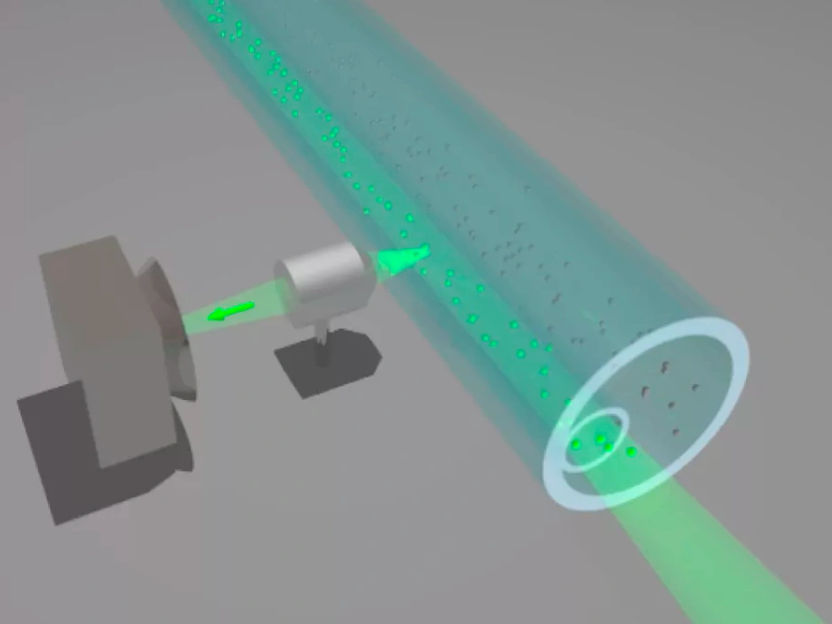
Observing nanoparticles with unprecedented precision - Illuminated: Researchers investigate new physical phenomena on the nanoscale with microstructured fibers
High-throughput drug screening in 3D
Stanford Scientists Pinpoint Key Proteins in Blood Stem Cell Replication

Chickens and pigs with integrated genetic scissors - Genome editing in farm animals
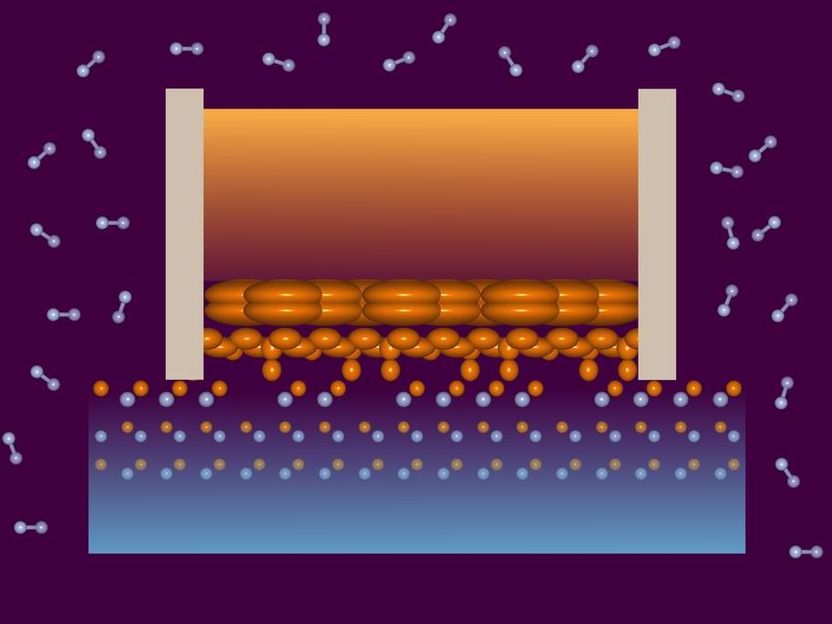
X-rays show birth of semiconductor for blue LEDs - Gallium nitride is the second most important semiconductor material after silicon
Sartorius Stedim Biotech and Refine Technology Announce Cooperation