Detailed tumour profiling
Better determine which treatment will best match every patient’s cancer and thus be most effective.
As part of a clinical study involving patients from the University Hospitals in Zurich and Basel, researchers are conducting a thorough and highly precise investigation into the molecular and functional properties of tumours. Their goal is to help physicians to better determine which treatment will best match every patient’s cancer and thus be most effective.
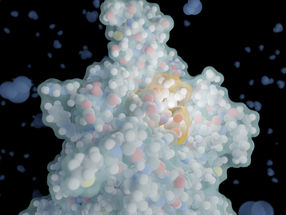
Symbolic image
PDPics, pixabay.com
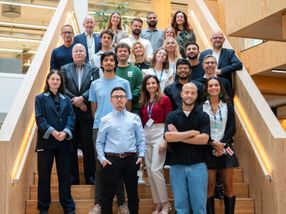
Researchers from the University Hospitals in Zurich and Basel, ETH Zurich, University of Zurich and the pharmaceutical company Roche have set out to improve cancer diagnostics by developing a platform of state-of-the-art molecular biology methods. The “Tumor Profiler” project aims to derive the comprehensive molecular profile of tumours in cancer patients, which has the potential to predict the efficacy of a host of new cancer medications. It will therefore make it possible to offer treating physicians personalised and improved therapy recommendations.
Three years ago, the researchers began a large-scale clinical study involving 240 patients suffering from metastatic skin cancer (melanoma), metastatic ovarian cancer, or acute myeloid leukaemia. The thorough investigation of these patients’ tumours provides the researchers with a comprehensive understanding of the cellular composition and biology of each tumour. The researchers recently published details of their study design in an article in the journal Cancer Cell.
Investigating at the single-cell level
What’s new about the “Tumor profiler” study is that it harnesses a suite of advanced tumour-testing methods to gain new insights by exploring how these can be combined in a clinically meaningful way. The study ventures far beyond the current use of molecular biology methods practised in leading hospitals. “We’ve brought together all the cutting-edge technology available at ETH Zurich and the project partners. Working with physicians from Zurich and Basel, we’ve developed an advancement in oncology, one that serves the patients,” says Mitch Levesque, professor at the University Hospital Zurich and one of the article’s corresponding authors.
The scope of testing includes the cancer cells’ DNA, RNA and proteins. Single-cell level data provides the researchers an understanding of each tumour’s cellular diversity, which includes not only cancer cells, but also immune cells. “We examine the entire tumour and its microenvironment,” says Andreas Wicki, senior physician at the University Hospital Zurich. Part of the analysis also includes functional tests, in which biopsies of the tumour are treated with drugs in the laboratory to see if the drugs work. Information from medical imaging and other patient data is also taken into account.
Informing treatment decisions
“We end up with vast amounts of data for each patient, which we prepare and analyse using data science methods,” says Gunnar Rätsch, professor at ETH Zurich and another corresponding author of the publication. The Tumor Profiler findings are then made available to the treating physicians, who discuss them at the interdisciplinary tumour board sessions. Since in science, detailed molecular tests are referred to with terms with the suffix -omics (genomics, transcriptomics, proteomics), this approach which encompasses very many "omics areas" is called a multi-omics approach.
“We want the Tumor Profiler study to show that the widespread use of advanced profiling methods in oncology is not only possible but offers specific clinical benefits,” says Viola Heinzelmann, Head of Gynecological Oncology at the University Hospital Basel, and a senior author of the study. This is why the study also focuses on whether and how molecular analyses may have influenced a physicians’ treatment decisions.
In the long-term, the Tumor Profiler approach aims to expand treatment options for patients in terms of personalised medicine. This involves addressing the question of whether certain patients would benefit from medications that do not belong to the standard range of oncological treatments but are approved for other types of cancer.
Data collection for the Tumor Profiler study will end in two months’ time, after which the research team will analyze the data and present the results.
Original publication
Other news from the department science