Artificial leaves can generate energy
25 million euros for unique research into photosynthetic energy from plants and algae
On Friday 10 July the research programme Towards Biosolar Cells was granted a budget of 25 million euros by the Dutch Government. The Ministry of agriculture, Nature and food Quality recommended the programme because it will contribute to green energy, improve food supplies and a create a more sustainable biomass. The research focuses on increasing the efficiency of sunlight conversion into energy and building materials in plants and algae through photosynthesis. Part of the programme will involve the development of so-called artificial leaves.
The programme involves six universities, three leading institutes, 30 companies, a higher vocational education institute and the Netherlands Organisation for Scientific Research (NWO). In addition to research it will include extra educational activities for students in secondary and higher education to raise the profile of scientific research into photosynthesis.
As oil, coal and gas become increasingly scarce, there is a growing need for energy alternatives and products made from petroleum such as plastic. Our economy needs to become less dependent on fossil fuels, which is why the Dutch Government has chosen to develop alternatives to achieve its aims for a biobased economy. The sun supplies as much energy every hour as the entire world population consumes in a year. Plants have a refined system for storing energy in fibres and nutrients. Increasing our understanding of that process should enable us to produce energy ourselves or improve the conversion of sunlight and make new products. The programme is also of major social importance because of its potential to provide both food and sustainable energy.
Towards Biosolar Cells has three main goals:
1. To increase the photosynthetic efficiency of plants, resulting in more biomass and higher energy yields per given surface area, (for instance with more, larger or heavier plants).
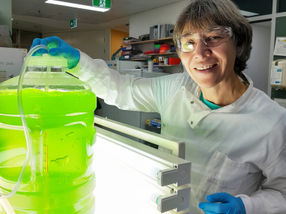
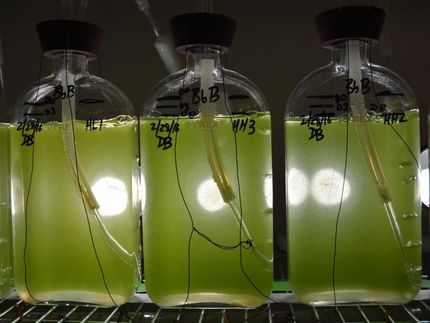
2. Direct production of fuels and to bypass the biomass phase. Possible outcomes include photosynthetic cyanobacteria or algae that produce butanol (a form of alcohol that can be used as biofuel).
3. To combine natural and technological components to create solar collectors that supply fuel rather than electricity.
The initiators are six universities that will combine their international expertise in the field of photosynthesis, biophysics, biochemistry, bionanotechnology, genomics and physiology. Thirty participating companies form an innovative mix of start-ups, SMEs and large corporations in the energy sector, algae production and plant breeding.
In addition to the research element, another aspect focuses on education on photosynthesis. Projects will be organised at universities, higher vocational education facilities and secondary schools to increase students’ interest in scientific developments related to photosynthesis.
Other news from the department science