The race is on for new lithium ion batteries
Battery consortium headed by BASF receives € 21 million sponsorship from German Ministry of Education and Research
Financial sponsorship running into millions has opened the way for the development of new generations of high energy batteries for use in plug-in hybrid automobiles and the electric powered vehicles of the future. Under the guidance of BASF Future Business GmbH, eighteen partners from industry and science have combined into the cross-sector consortium “HE-Lion” to develop and bring to market efficient, higher-performing and safer lithium ion batteries over the next four to six years. The German Ministry of education and Research (BMBF) is funding the HE-Lion project with €21 million as part of the “Lithium Ion Battery LIB 2015” alliance for innovation. The partners in the consortium will be contributing the same amount directly from their own financial resources.
“This alliance is an essential contribution to strengthening Germany as a heartland of innovation. In research, we must make the decisive breakthrough with new battery materials as soon as possible. Only then can we make electromobility affordable and free it from its niche existence,” emphasizes Dr. Andreas Kreimeyer, Member of the Board of Executive Directors of BASF and Research Executive Director.
The BMBF initiative LIB 2015 with a total sponsorship volume of €60 million for several consortia aims to bring to market by 2015 higher performing, safer and above all affordable lithium ion batteries for future propulsion systems such as plug-in hybrid automobiles. A plug-in hybrid is a powered vehicle with a hybrid propulsion system with a battery that can also be charged externally from the mains supply. Equipped with an internal combustion engine, electrical drive system and a battery, it can be driven both with gasoline and electricity.
With companies of the chemical industry, battery industry, the automotive and energy sector and numerous partners from universities and institutes, HE-Lion is the largest consortium in LIB 2015. As energy stores of the future, lithium ion batteries are a key technology for a climate friendly energy supply. For BASF, climate protection is a long-term strategic issue to which its commitment in this project is also contributing.
Other news from the department research and development









Most read news





More news from our other portals

















Last viewed contents
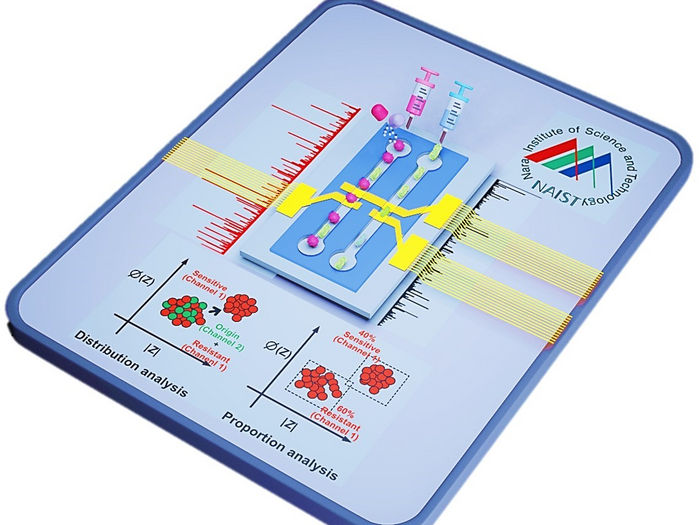
Antibiotic resistance testing no longer impeded by time - Researchers have developed a novel method for antibiotic resistance testing that might transform microbial screening in clinical and research labs
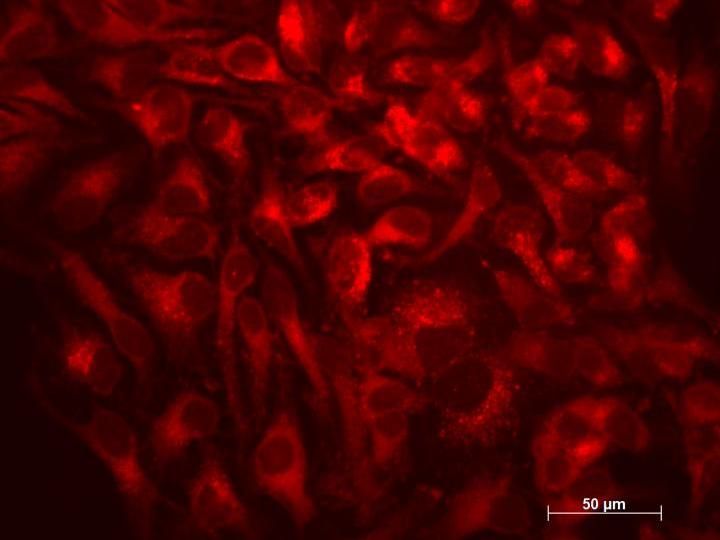
A new way to stimulate cellular recycling process

Thermo Fisher Scientific and QIAGEN N.V. Agree on Amended Terms to Acquisition Agreement - Offer price increased
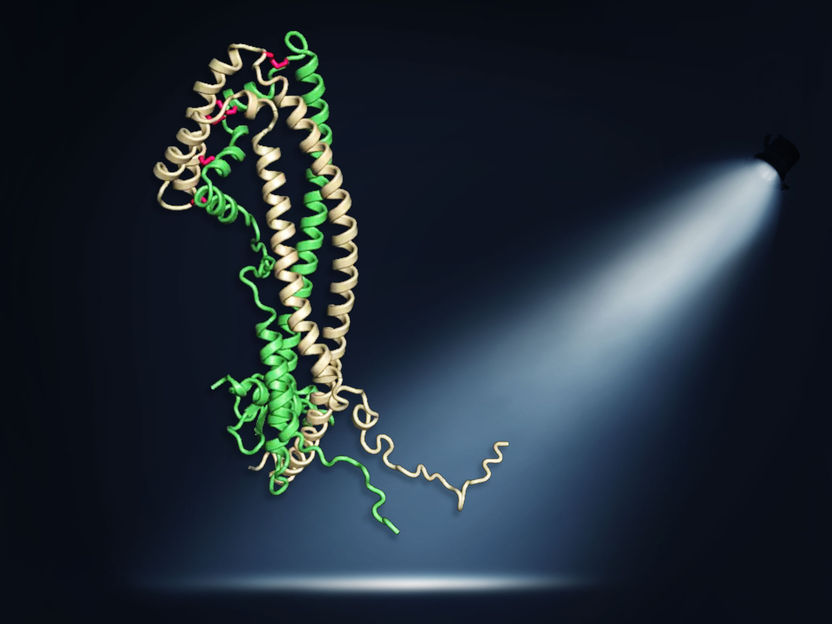
New insights into the function of a risk factor for Alzheimer’s disease - Researchers decipher the structure-function relationship of the multifunctional protein clusterin for the first time

Rigaku opens Rigaku Technology Center Taiwan - Advancing regional growth through engineering and collaboration in Taiwan and beyond
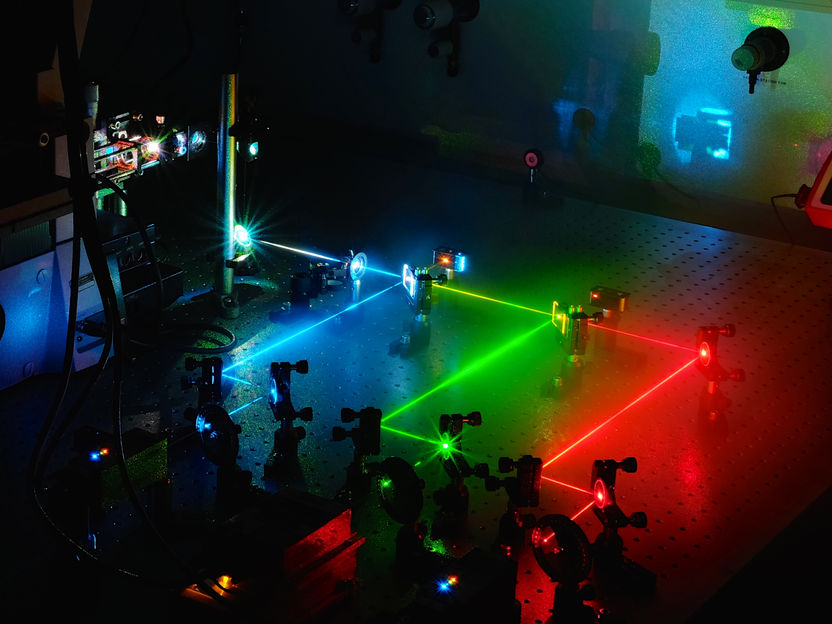
Multiplexed Morse signals from cells
Lab901 and Biofortuna to collaborate on automated PCR Dx for HLA and Coeliac disease
Closing in on the elusive rotational-vibrational CH5+ spectra

New model predicts a chemical reaction’s point of no return - Chemists could use this quick computational method to design more efficient reactions that yield useful compounds, from fuels to pharmaceuticals
Fondant under the magnifying glass - New insights into the properties of sweet coating: The results could be used to optimize the industrial production process in the future