BIO White Paper Dispels Over-Patenting Myth
Patenting is a Critical Element in Fostering Research and Development
The theory claiming that the over-patenting of biotechnology research hinders the research and development of new treatments is not supported by empirical evidence, concludes a white paper entitled "The Myth of the Anticommons" released by the Biotechnology Industry Organization (BIO). The paper was released as Congress considers a variety of changes to current U.S. patent law.
The theory of the "tragedy of the anticommons," put forth in 1998, claims that patents have the potential to stifle innovation in the biotechnology industry. The theory claims that too many patent holders of upstream technology may inhibit downstream innovation due to transaction costs and strategic behaviors.
The BIO white paper found that the biotechnology industry is actively engaged in discovering and inventing innovative therapies. Research, development and employment in the biotechnology industry are steadily increasing, as are the number of therapies in the clinical pipeline.
The white paper also cited a study by the National Academy of Sciences (NAS) which examined the impact of patents on university research. The NAS study found that only 1% of academic respondents experienced delays on their projects of more than a month due to patents and not a single respondent abandoned a project due to a patent on knowledge inputs.
"Biotech companies and university scientists agree that patents are a key force behind biotech innovation," stated BIO President and CEO Jim Greenwood. "Biotech companies rely on patented intellectual property to attract the funding they need to conduct the years of research and development necessary to bring a product to market and into the hands of patients and other consumers."
"As Congress considers changes to the patent system, we encourage them to recognize and protect the key role patents play in encouraging innovation in the biotechnology industry," concluded Greenwood.

Other news from the department business & finance
















Most read news









More news from our other portals
























Last viewed contents
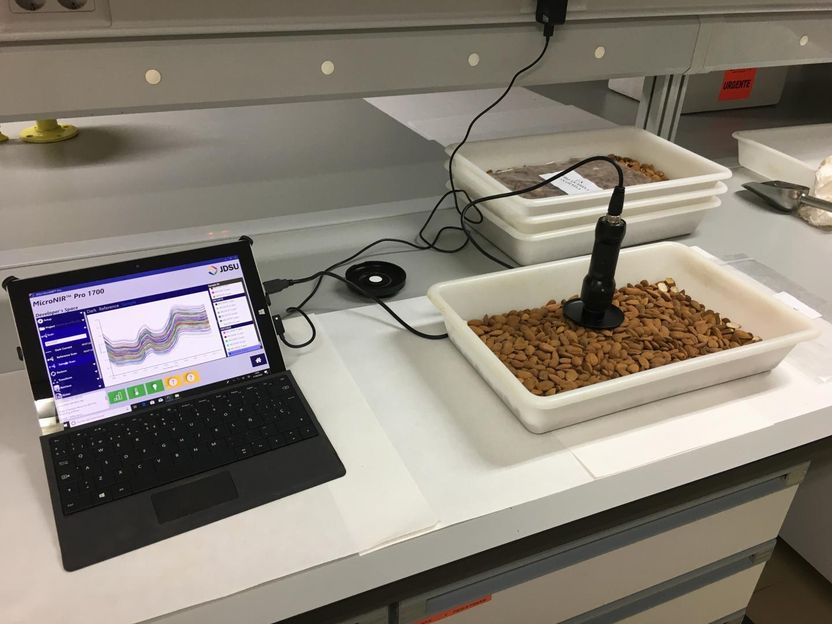
New technology to detect bitter almonds in real time
Scientists decode genome of deadly parasitic worm

Weizmann Institute Scientists Develop a Unique Approach for Splitting Water into Hydrogen and Oxygen
Ribozyme Structure Revealed: Success for RNA Research - Basic Research Guides the Development of New Therapeutic Strategies