AGOWA and nadicom agreed to strategic co-operation in the area of microorganism identification
microorganisms in the pharmaceutical, cosmetic and food industries can result in undesired contamination, the aim is to prevent such contamination. Should, however, bacterial and fungal growth be found, it is absolutely necessary that the microorganisms be identified and classified as rapidly as possible in order to be able to take suitable countermeasures. In order to identify a microorganism, a specific part of the hereditary material is amplified via PCR and the DNA sequence is determined.
AGOWA and nadicom have developed a cost-saving sequencing strategy for this purpose in order to investigate and take stock of the microorganisms present in the sample within the shortest time possible. Sequence quality is decisive here, as different strains can only be characterised by extremely small differences between the base pairs. The analysis is then carried out using the nadicom databank which has records of more than 10000 sequences; this databank is also continually being extended. This means that a very wide range of prokaryotic and eukaryotic organisms are covered.
Other news from the department business & finance



















Most read news









More news from our other portals



























Last viewed contents
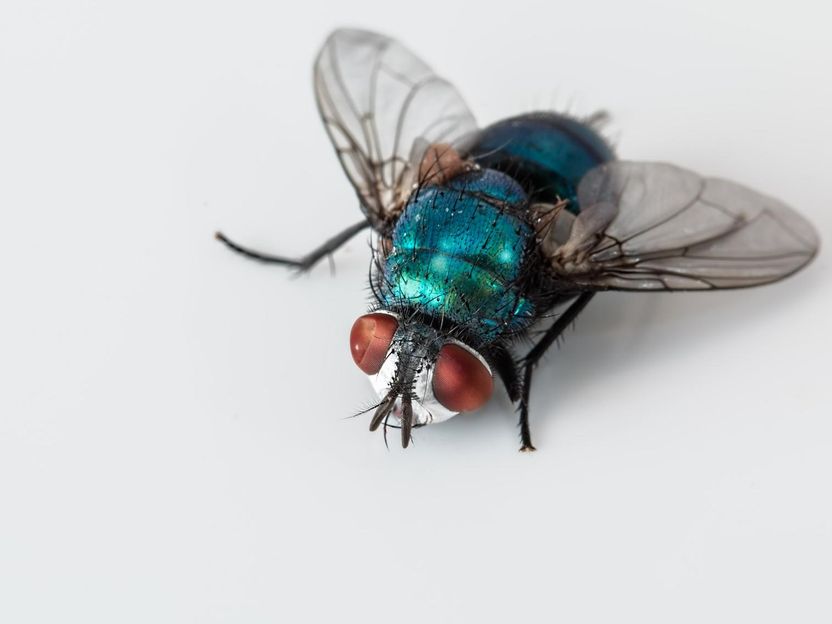
Blow flies can be used to detect use of chemical weapons, other pollutants - Using mass spectrometry to determine the chemicals in the blow flies' guts
2010 Medical Design Excellence Award for bioMérieux’s PREVI Isola
Photonics industry commits to more than 5 billion Euros investment in Europe
Carl Zeiss wins G.I.T. InnovationsAward 2012 for AURIGA Laser
MRC Technology and Biocartis initiate development of liquid biopsy test for breast cancer
Mtm’s p16/Ki-67 dual immuno-staining identifies high-grade cervical disease in ASC-US and LSIL with high sensitivity and specificity
Agilent Technologies Expands Life Sciences and Chemical Analysis Center of Excellence in India
Flemish researchers provide the first experimental evidence of dynamic allostery in protein regulation

Thianthrenium chemistry allows for reactivity switch of a nucleophilic amino acid into a versatile intermediate - Useful and broadly applicable tool in the field of chemical biology
Oxford Nanopore Announces Licence Agreement with Harvard University for Graphene DNA sequencing
Medicon Valley Academy and Norgenta North German Life Science Agency agree on cooperation in two projects
