Biomarkers can identify ethnicity at the crime scene
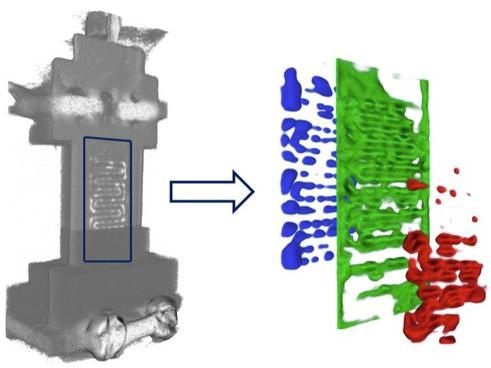
A team of scientists in the United States and Germany have developed a biocatalytic assay that can rapidly identify ethnic origin from body fluid samples on-site at the crime scene.
Methods for profiling samples from biological samples taken from crime scenes, such as DNA/RNA analysis, are sophisticated but usually require complex equipment in specialist laboratories.
The researchers examined two biomarkers – creatine kinease (CK) and lactate dehydrogenase (LDH) – that exist in different concentrations in Caucasian and African American body fluids. They used a multienzyme/multistep biocatalytic cascade to amplify the difference between them and found that their enzyme-based computing method successfully distinguished the two ethnicities in model and real human samples. They hope to apply this method to analytical kits much-like pregnancy tests for use by qualified crime scene investigators.
Other news from the department science














Most read news






More news from our other portals



























Last viewed contents
Development of stretchable and printable free-form lithium-ion batteries - Realization of stretchable, adhesive, and mechanically deformable batteries that effectively transfer ions
Peptide complex formed in the brain is responsible for Alzheimer's disease
New advance in revolutionary 'bullet fingerprinting' technique - Chemistry researchers at University of Leicester announce simple but effective way of lifting prints
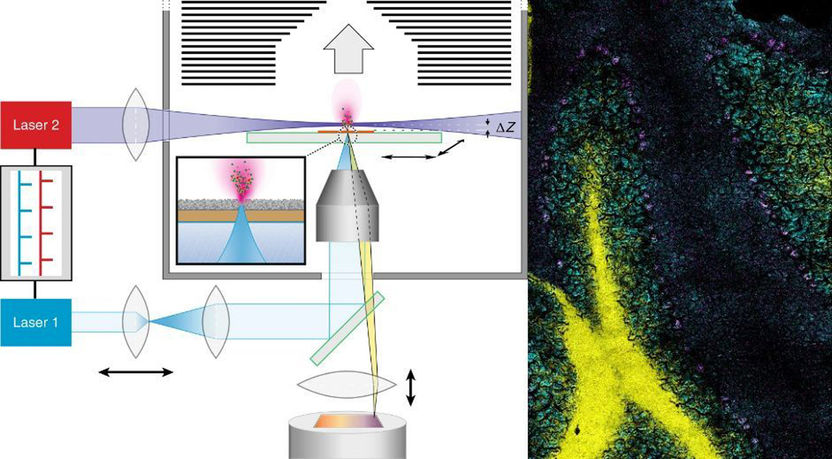
Innovative method provides unique insights into the structure of cells and tissues

Red meat allergy – who is ‘at steak’? - New test for a rare allergy
Birth of photo-sensitive magnets - New functional photonic materials and devices based on magnetism
Experimental noninvasive tool monitors effectiveness of stem cell transplantation
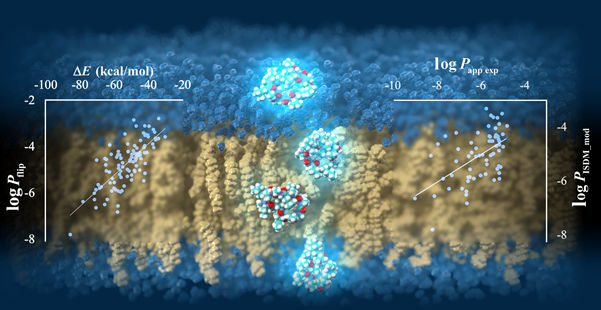
TSUBAME supercomputer predicts cell-membrane permeability of cyclic peptides
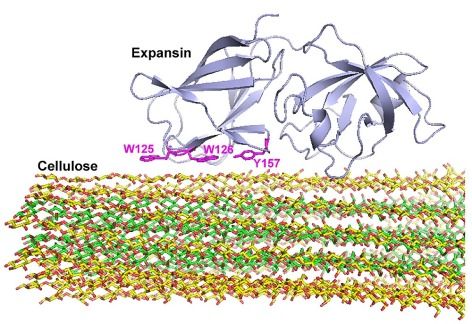
Binding site of protein that allows plant growth
New technique tracks proteins in single HIV particle
Non-invasive tool to diagnose endometriosis