The P-tau 217 Alzheimer's biomarker is surprisingly weak in preclinical studies

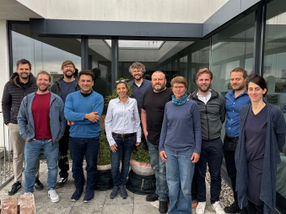
The misfolding of the amyloid-β protein is the strongest blood-based predictor of Alzheimer’s disease in the asymptomatic stage. It indicates the risk years before clinical diagnosis and significantly earlier than the widely used plasma biomarker P-tau 217. This is the conclusion of a study led by Prof. Dr. Klaus Gerwert (ProDi, Ruhr University Bochum). The research team analyzed blood samples collected over 17 years from 779 participants in the population-based ESTHER cohort of the German Cancer Research Center (DKFZ) to compare the performance of leading blood biomarkers across the entire course of Alzheimer’s disease.
The study compares how well common blood-based biomarkers can predict the later onset of Alzheimer’s dementia even in people without clinical symptoms. To do so, the researchers had access to blood samples from the ESTHER study, a large long-term study on the health of older adults conducted at the DKFZ.
High Predictive Power
The analysis shows that different biomarkers dominate at different stages of the disease. “P-tau 217 demonstrated excellent diagnostic performance once Alzheimer’s disease had reached the clinical stage,” said Klaus Gerwert. Its accuracy was on par with that of established biomarkers such as the Aβ42/40 ratio in cerebrospinal fluid (CSF) and amyloid PET imaging. In the preclinical, asymptomatic stage, however, its predictive power was only moderate (AUC = 0.67). For comparison: values of 0.8 or higher are considered highly predictive.
In contrast, the biomarker for amyloid-β protein misfolding was already predictive in cognitively normal individuals and achieved an AUC of 0.79. In combination with demographic, genetic, and other blood biomarkers, the resulting biomarker panel—based on protein misfolding—achieved a very high AUC of 0.87, thereby enabling a highly accurate prediction of a future Alzheimer’s diagnosis long before clinical symptoms appeared. “Especially at this early stage, prevention and anti-amyloid therapies could significantly slow the onset of symptoms, perhaps even largely prevent them,” Gerwert emphasizes.
Clarity Many Years Before the First Symptoms
“Our study shows that protein misfolding is the earliest measurable blood-based marker of Alzheimer’s disease,” says Klaus Gerwert. “P-tau 217 is an excellent biomarker once the disease is clinically manifest. However, for identifying people at increased risk of developing the disease many years before the onset of the first symptoms, the biomarker for protein misfolding provides the most meaningful predictive information.”
The results are being published at a crucial time following the approval of disease-modifying anti-amyloid therapies. These treatments can slow the progression of the disease but, according to the approval criteria, should be initiated at an early stage of the disease—when mild cognitive impairment (MCI) or mild Alzheimer’s dementia is present. In addition, they can cause serious side effects, including amyloid-related imaging abnormalities (ARIA), which involve swelling and microbleeds in the brain. Due to the necessary diagnostic requirements and potential risks, the treatment is currently only an option for a subset of patients.
The Foundation for Screening Strategies
“The ability to treat Alzheimer’s disease as early as its earliest molecular stage is therefore emerging as one of the most important challenges in Alzheimer’s prevention,” says Klaus Gerwert. The authors conclude that protein misfolding should form the foundation of blood-based screening strategies in the future. This would allow at-risk individuals to be identified much earlier, patients to be selected more specifically for preventive therapies and clinical trials, and cost-effective population-wide screening programs to be implemented.
Note: This article has been translated using a computer system without human intervention. LUMITOS offers these automatic translations to present a wider range of current news. Since this article has been translated with automatic translation, it is possible that it contains errors in vocabulary, syntax or grammar. The original article in German can be found here.
Original publication
Other news from the department science