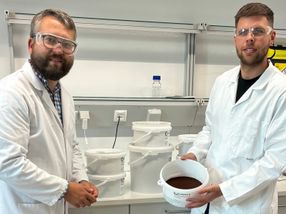
Merck and imec Collaborate to Develop Disruptive Microphysiological Systems Platform
The collaboration programme is open to further partners
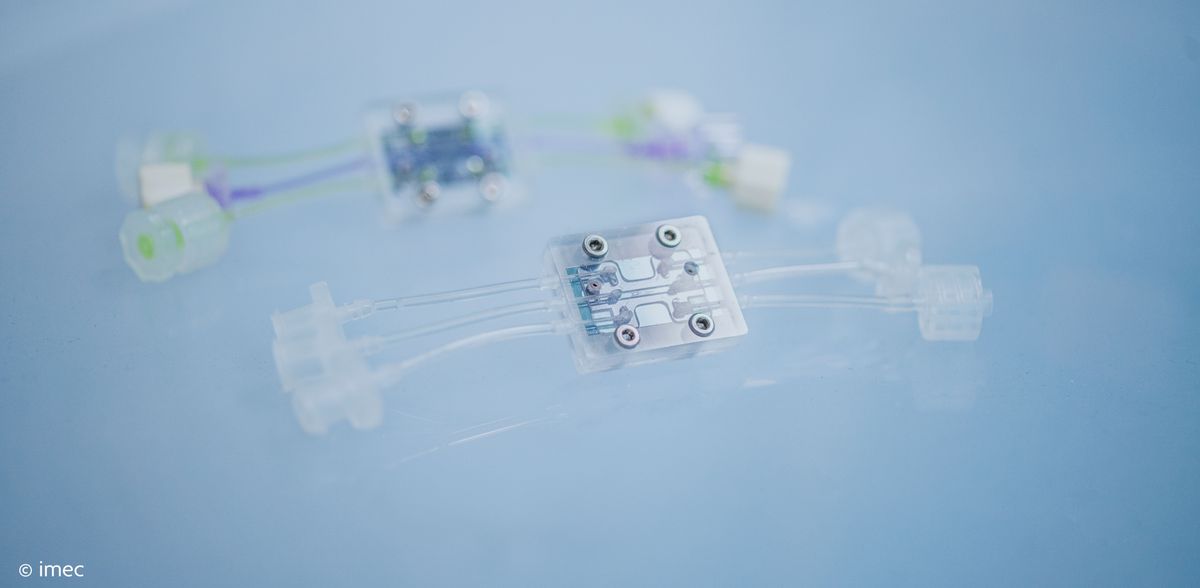
Merck and imec, a world-leading research and innovation hub in nanoelectronics and digital technologies , announced a strategic partnership to develop an advanced microphysiological systems (MPS) platform. Their collaboration aims to drive both partners’ efforts to make drug discovery and development more efficient by increasing the predictive validity of next-generation preclinical models and progressively reducing the reliance on animal testing.
“By integrating industry leading induced pluripotent stem cells and patient derived organoids portfolio offered by Merck with the disruptive joint hardware platform that features an unprecedented number of biosensors, we’re creating a connected in-vitro and in-silico pipeline capable of generating the high-quality biological training data that is critically needed. When coupled with AI-driven drug discovery, this closed-loop operating model will greatly improve data translatability to humans, speed discovery of new drug candidates, and enable researchers to more closely simulate the human body than ever before,” said Steven Johnston, Vice President and Head of Technology Enablement at Merck with regards to the transformative potential of this collaboration.
“Adequate preclinical models require biological relevance and the ability to generate rich and must be able to generate rich and diverse data sets at high throughput—something that no current model can provide. At imec, we are building a unique chip technology to fill this data gap. Combined with Merck’s expertise across the Life Science and Healthcare sectors, we will be able to address the growing need for preclinical models to guide AI models for drug discovery,” added Paru Deshpande, Vice President R&D at imec.
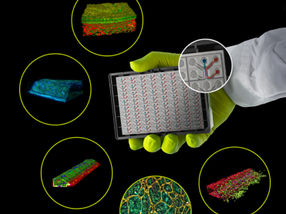
This first-of-its kind co-development program aims to integrate cutting-edge organoid biology models with advanced semiconductor hardware incorporating biosensing and microfluidic capabilities, all validated for ease-of-use in Merck’s Healthcare business sector laboratory setting and globally offered by the Life Science business sector of Merck. This approach is to enable scientists to gain time-relevant insights from individual organ health to a multi-organ connected system, paving the way for more accurate and efficient drug development processes.
A key element of this disruptive hardware development partnership is the jointly developed highly adaptable modular system, facilitating seamless expansion from single to multi-organ configurations. The system’s standardized interfaces will enable custom configurations from the broad Merck portfolio of induced pluripotent stem cells and patient derived organoids models. Combined with imec’s unique expertise in sensor technology integration, state-of-the-art integrated biosensors will enable customers to obtain better-quality data through in situ, label-free measurements as well as cell culture control and reproducibility. This is expected to result in more reliable predictions and real-time identification of human organ responses to drug and chemical stimuli with application in pre-clinical safety and toxicity studies as well as in drug metabolism and pharmacokinetics.
Additionally, the standardized set of building blocks underpinning this technology enables ease of use and data consistency across different experimental setups. This standardization is expected to facilitate more comparable and reproducible results across the pharmaceutical industry, to further speed the drug development timeline and reducing costs.
Both Merck and imec invite other biopharma players to join this ongoing collaboration to develop the next generation of MPS models with the potential to bring safer, more effective treatments to patients faster than ever before.

Other news from the department business & finance