Munich-based lab automation startup raised €2.77M
AI-driven biotech research: Connected labs for faster scientific progress
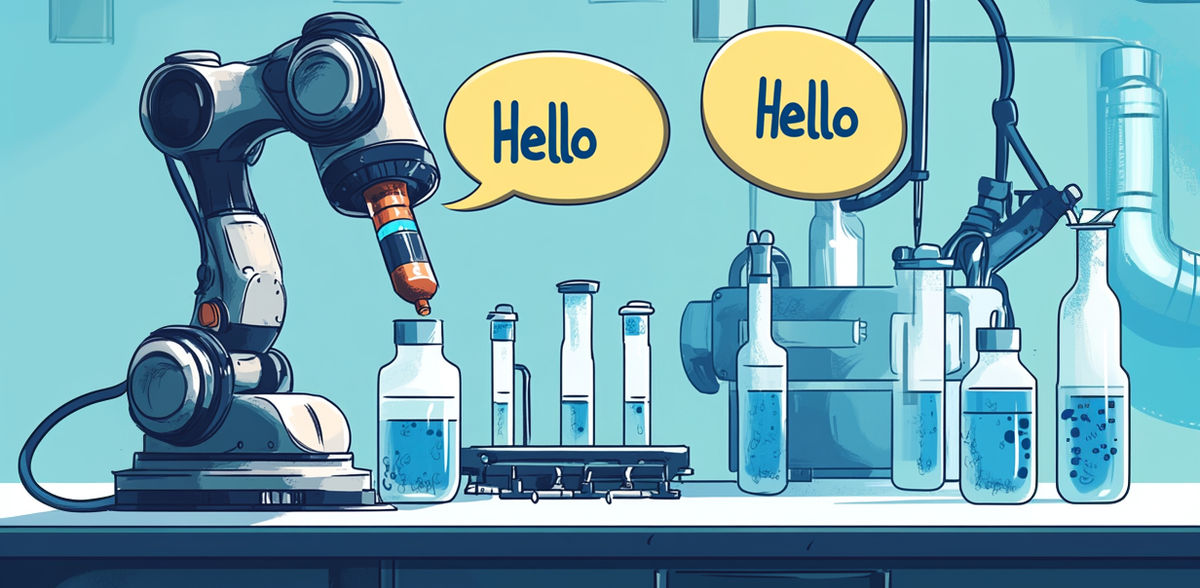
UniteLabs, a startup specializing in lab automation for biotechnology, has raised €2.77 million in a pre-seed funding round led by NAP (formerly Cavalry Ventures). Investors PUSH, Acurio Ventures, OMA Business Angels, and LANA Ventures also participated in the round.
UniteLabs accelerates biotech research by connecting laboratory instruments. By standardizing and enabling cloud compatibility for previously closed interfaces, the platform significantly simplifies device control while ensuring real-time data accessibility. This marks a crucial step toward full lab automation and AI integration – key to advancing drug discovery and biotech innovation.
"Many biotech companies want to leverage AI in their labs," says Robert Zechlin, co-founder and CEO of UniteLabs. "But the biggest challenge is that lab instruments can't communicate with each other. With UniteLabs, we are building the foundation for a shared technical language in the lab."
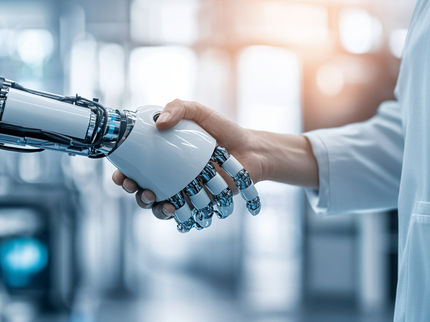
Breaking down barriers to AI adoption in biotech labs
Today, 90% of lab instruments come from different manufacturers, leading to significant compatibility challenges. Without standardized interfaces, lab teams spend considerable time and resources developing custom integrations – often taking up to three months per interface. As a result, researchers spend more than 50% of their time solving these connectivity issues instead of focusing on scientific breakthroughs.
Moreover, critical data is often lost in the process, hindering AI-powered research. AI thrives on a continuous and comprehensive flow of data across multiple systems to generate insights and accelerate discoveries.
UniteLabs has developed an operating system for biotech research that enables seamless data collection, control, and monitoring across all lab instruments – independent of specific use cases. The company has already built 40 connectors for various lab devices, allowing them to communicate with each other for the first time. Through the UniteLabs platform, researchers can control connected instruments and automate workflows, creating the industry’s first truly cross-manufacturer connectivity solution.
"Biotech research is inevitably moving toward automation, and the rapid integration of AI into the research process is accelerating this shift," Zechlin explains. "We are establishing the long-overdue industry standards needed to support this transformation."
Connected labs for faster scientific progress
UniteLabs' initial focus is on liquid handlers, a critical category of lab automation tools used in a wide range of biological and chemical experiments, from COVID-19 testing to DNA sequencing. Manual liquid handling remains a major bottleneck, often plagued by inaccuracy and low throughput.
"This is just the beginning. Liquid handlers serve as a gateway to lab automation, providing an ideal starting point for expanding to other applications with satisfied customers," says Zechlin. "Our long-term vision is to support a broad range of analytical instruments, including chromatography systems, plate readers, robotic arms, and bioreactors. The value we create for customers grows exponentially as more instruments are integrated."
Zechlin founded UniteLabs together with Lukas Bromig (Co-CEO) and Julian Willand (CTO). The team combines deep expertise in chemical engineering, information systems, and business strategy to drive innovation in lab automation.
"Biotech labs are at a turning point," says Claude Ritter, Managing Partner at NAP. "While AI unlocks unprecedented advancements, most labs lack the technical infrastructure to harness its potential. Instruments speak different languages, and valuable data remains siloed. UniteLabs is building the critical infrastructure to bridge this gap. With their deep understanding of lab workflows, they are paving the way for the next generation of biotech research."
Looking ahead, UniteLabs aims to connect 650 lab instruments to the cloud, making biotech research more efficient and interconnected. Over the next year, the company will work closely with pilot customers to refine its product while doubling its team. A key focus will be developing 50 additional connectors, including integrations for the most widely used liquid-handling workstations. The goal: connect 90 instruments by the end of the year – enabling automation and data integration for nearly every second biotech lab worldwide.
Other news from the department business & finance









These products might interest you

Most read news





More news from our other portals




















Something is happening in the life science industry ...
This is what true pioneering spirit looks like: Plenty of innovative start-ups are bringing fresh ideas, lifeblood and entrepreneurial spirit to change tomorrow's world for the better. Immerse yourself in the world of these young companies and take the opportunity to get in touch with the founders.
See the theme worlds for related content
Topic world Digitalization in the laboratory
The topic world Digitalization in the lab presents innovations and trends from digital data systems (ELN, LIMS) to laboratory robots and networked devices (IoT) to AI and machine learning.

Topic world Digitalization in the laboratory
The topic world Digitalization in the lab presents innovations and trends from digital data systems (ELN, LIMS) to laboratory robots and networked devices (IoT) to AI and machine learning.