analytica conference 2020 for the first time virtual
Topics in focus: Antibiotic resistance and the “laboratory of the future”
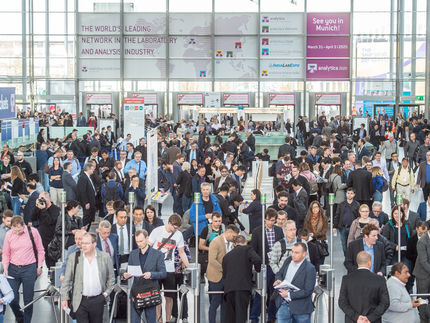
Current questions and approaches in analysis are in the focus of the analytica conference, which will take place from October 19 to 23, 2020, in the context of analytica virtual in a purely digital manner. In 31 sessions, which will be broadcast repeatedly in order to enable participation in all time zones, leading experts will report on their respective fields of research in an application-oriented manner—among other things on new approaches to the analysis of antibiotic-resistant bacteria. The scientific program of the analytica conference is organized by Forum Analytik, consisting of the German Chemical Society (Gesellschaft Deutscher Chemiker, GDCh), the Society for Biochemistry and Molecular Biology (Gesellschaft für Biochemie und Molekularbiologie, GBM) and the German Society for Clinical Chemistry and Laboratory Medicine (Deutsche Gesellschaft für Klinische Chemie und Laboratoriumsmedizin, DGKL). Anyone interested can participate in the virtual conference free of charge after prior registration.
Messe München GmbH
Antibiotics help against infections caused by bacteria. However, the number of microbes that are resistant to certain classes of antibiotics is increasing—which often hampers therapy. If bacteria develop resistance to a plurality of antibiotics, they are referred to as multi-resistant. Humans and animals introduce germs and antibiotic-resistant bacteria into the environment, where they multiply.
Analysis of these bacteria is one of the great current challenges for modern medicine—and the paramount topic at the virtual analytica conference in the course of analytica 2020. New analytical methods allow the study of individual bacterial cells.
Notable experts in their fields provide an overview of the opportunities and limitations of established methods for the analysis of resistant pathogens. In addition, they present the latest technologies for the quantification and characterization of pathogens and antibiotic-resistant bacteria in an application-oriented manner.
Another hot subject is the “laboratory of the future”: The digital transformation of the chemical and pharmaceutical industry focuses on laboratories as drivers of innovation. Design-of-experiment (DoE) approaches and model-based simulations shorten development cycles and the time-to-market of new products. Real-time data from process development, manufacturing, application development and supply chain enables more sustainable management of product volume, resources and quality. In daily life, however, the existing infrastructures and obsolete production facilities of industry often hamper digitization. New approaches are required for the digital transformation to be optimally implemented in the “laboratory of the future”. In the course of the session “ABC: Digital Analytical Sciences”, experts will present approaches and examples of how laboratories can meet these new challenges.
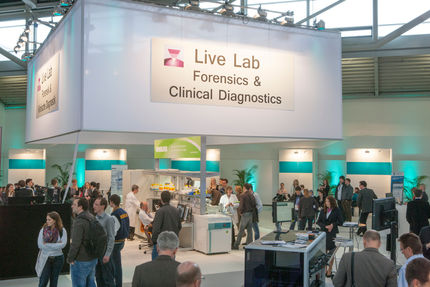
Further sessions will address new insights concerning analysis methods in forensics and current developments in mass spectrometry and electroanalysis.
The analytica conference is supported by the journals Analytical and Bioanalytical Chemistry (ABC), of which the GDCh is a co-owner, and Microchimica Acta by Springer-Verlag and Analytical Science Advances by Wiley-VCH.
The analytica conference accompanies the 27th analytica, the world’s leading trade fair for laboratory technology, analysis and biotechnology, which this year takes place in a purely virtual manner as analytica virtual from October 19 to 23, 2020.
Anyone interested is welcome to visit analytica and the analytica conference after previous registration free of charge.
Other news from the department science



Most read news



More news from our other portals















See the theme worlds for related content
Topic World Mass Spectrometry
Mass spectrometry enables us to detect and identify molecules and reveal their structure. Whether in chemistry, biochemistry or forensics - mass spectrometry opens up unexpected insights into the composition of our world. Immerse yourself in the fascinating world of mass spectrometry!

Topic World Mass Spectrometry
Mass spectrometry enables us to detect and identify molecules and reveal their structure. Whether in chemistry, biochemistry or forensics - mass spectrometry opens up unexpected insights into the composition of our world. Immerse yourself in the fascinating world of mass spectrometry!
Trade-fair analytica
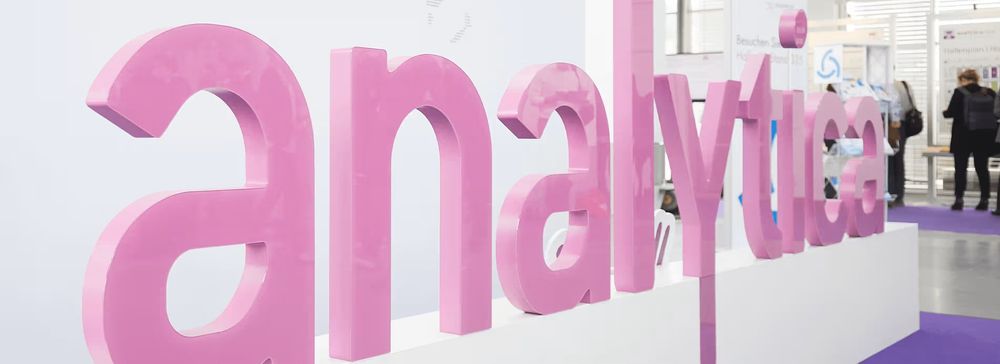
Here, innovative exhibitors present their trade fair innovations, premieres and product innovations for analytica 2026.
Trade-fair analytica
Here, innovative exhibitors present their trade fair innovations, premieres and product innovations for analytica 2026.
Last viewed contents

Schizophrenia manifests itself in the brain structure - The symptoms of schizophrenia vary greatly from person to person
The race is on for new lithium ion batteries - Battery consortium headed by BASF receives € 21 million sponsorship from German Ministry of Education and Research
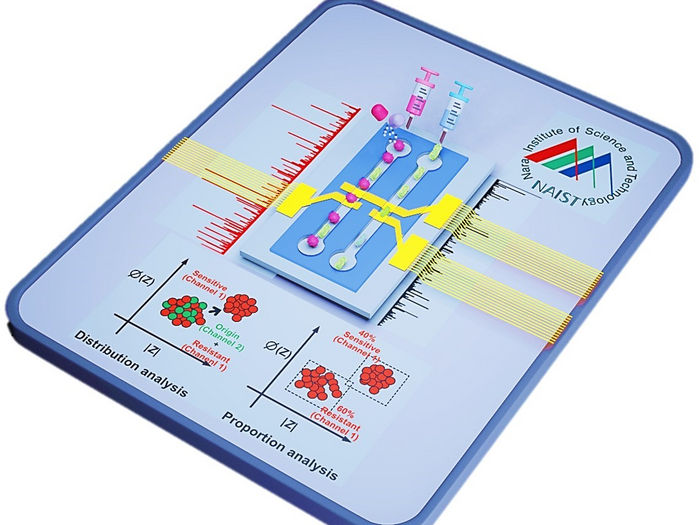
Antibiotic resistance testing no longer impeded by time - Researchers have developed a novel method for antibiotic resistance testing that might transform microbial screening in clinical and research labs
A new way to stimulate cellular recycling process

Thermo Fisher Scientific and QIAGEN N.V. Agree on Amended Terms to Acquisition Agreement - Offer price increased
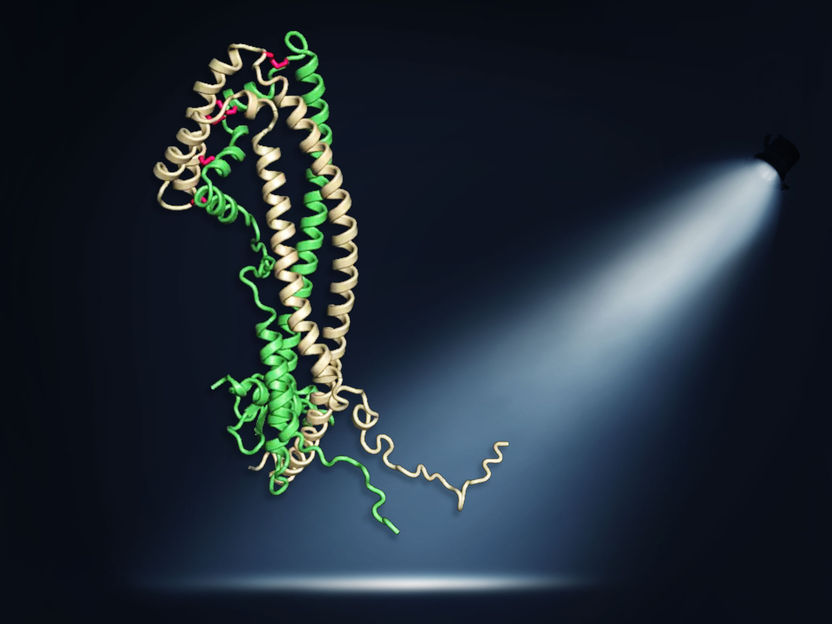
New insights into the function of a risk factor for Alzheimer’s disease - Researchers decipher the structure-function relationship of the multifunctional protein clusterin for the first time
Rigaku opens Rigaku Technology Center Taiwan - Advancing regional growth through engineering and collaboration in Taiwan and beyond
Multiplexed Morse signals from cells
Lab901 and Biofortuna to collaborate on automated PCR Dx for HLA and Coeliac disease
Closing in on the elusive rotational-vibrational CH5+ spectra
New model predicts a chemical reaction’s point of no return - Chemists could use this quick computational method to design more efficient reactions that yield useful compounds, from fuels to pharmaceuticals