A flash of light turns graphene into a biosensor
Disease diagnosis, toxin detection and more are possible with DNA-graphene nanostructure
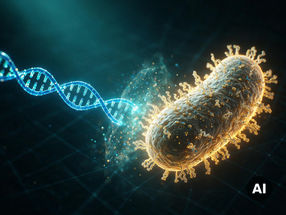
Biomedical researchers suspect graphene would be useful in a variety of applications. But no one had studied the interaction between graphene and DNA, the building block of all living things. To learn more, PNNL's Zhiwen Tang, Yuehe Lin and colleagues from both PNNL and Princeton University built nanostructures of graphene and DNA. They attached a fluorescent molecule to the DNA to track the interaction.
Tests showed that the fluorescence dimmed significantly when single-stranded DNA rested on graphene, but that double-stranded DNA only darkened slightly – an indication that single-stranded DNA had a stronger interaction with graphene than its double-stranded cousin. The researchers then examined whether they could take advantage of the difference in fluorescence and binding. When they added complementary DNA to single-stranded DNA-graphene structures, they found the fluorescence glowed anew. This suggested the two DNAs intertwined and left the graphene surface as a new molecule.
DNA's ability to turns its fluorescent light switch on and off when near graphene could be used to create a biosensor, the researchers propose. Possible applications for a DNA-graphene biosensor include diagnosing diseases like cancer, detecting toxins in tainted food and detecting pathogens from biological weapons. Other tests also revealed that single-stranded DNA attached to graphene was less prone to being broken down by enzymes, which makes graphene-DNA structures especially stable. This could lead to drug delivery for gene therapy. Tang will discuss this research and some of its possible applications in medicine, food safety and biodefense.

Other news from the department science