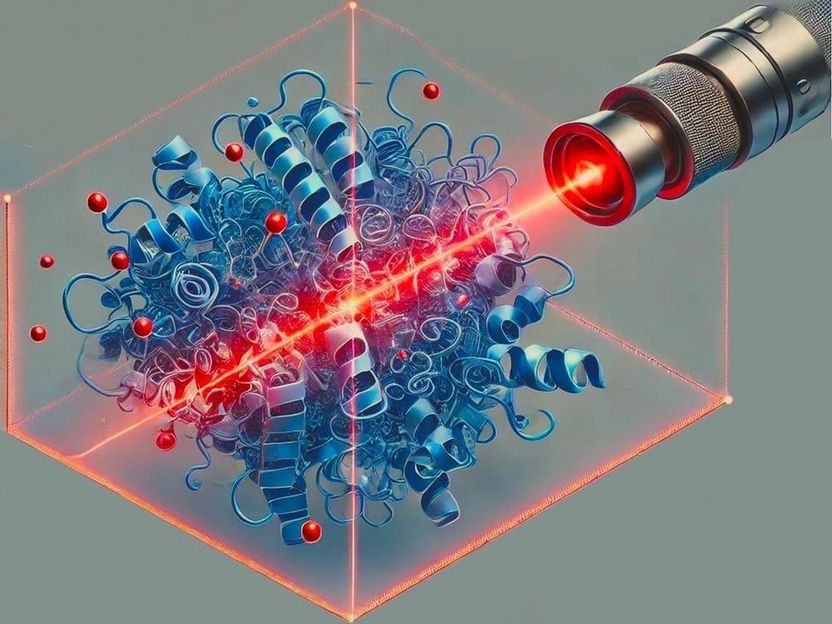
CLC bio part of EU project aiming to diagnose genetic disorders using high-throughput sequencing
Tthe EU project, TECHGENE, that focuses on developing Next Generation Sequencing (NGS) diagnostic tools for genetic disorders, announced that CLC bio has been selected as the software partner for this project. The goal of the TECHGENE project is to incorporate the novel massively parallel sequencing technology in routine diagnostic laboratories for the improved diagnosis of genetically heterogeneous diseases. To do so, focus is on a number of model disorders that have shown different degrees of genetic complexity. Some of these model disorders selected are hemoglobinopathies, hereditary breast cancer, paraplegias, ataxias, mental retardation, and sensory disorders including blindness, deafness, and Usher syndrome.
Senior bioinformatics specialist at CLC bio, Patrick Dekker, PhD, states, "Being part of the TECHGENE project provides an excellent opportunity to developa solid solution for diagnostics using amplicon high throughput resequencing in conjuction with some of the most esteemed institutions.We look forward to providing the scientists involved with the ability todiagnose patients based on various chromosomal and gene regions, locate SNPs and Deletion/Insertion polymorphisms, copy number variations, among other things."

Other news from the department business & finance









These products might interest you

Most read news



More news from our other portals













See the theme worlds for related content
Last viewed contents
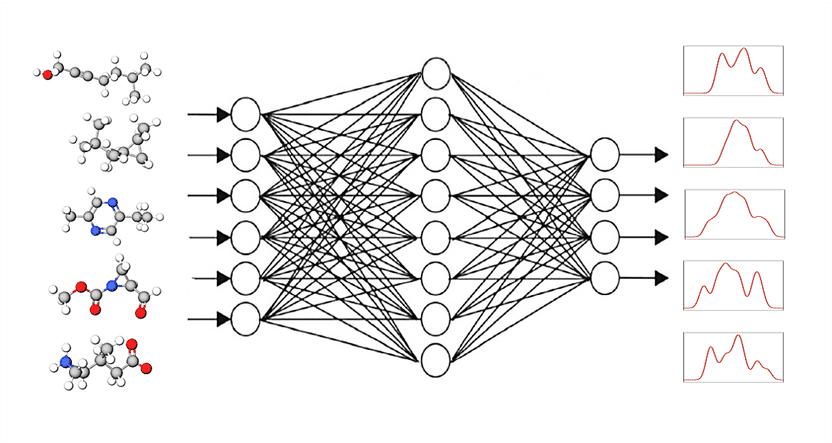
Calculating the "fingerprints" of molecules with artificial intelligence

On the line: Watching nanoparticles get in shape - New method could advance next-generation applications in medicine, cosmetics, and petroleum recovery
Agilent Technologies and FDA Collaborate to Improve Testing for Salmonella - Project Also Seeks to Develop Better Tools to Test Truth of Seafood Labels
FEI and Scripps Research Institute Provide Open Source Code - Open Source License for Leginon Software Will Make Automated Image Acquisition Available to Entire Scientific Community
Porous Radical Organic framework improves lithium-sulphur batteries - Significant improvement in service life - Combination of experiments

Node-centric expression models (NCEMs): Graph-neural networks reveal communication between cells