Changes to Executive Board of Carl Zeiss AG
Dr. Ludwin Monz will be stepping down from his position as President and CEO of the Executive Board of Carl Zeiss Meditec AG at his own request
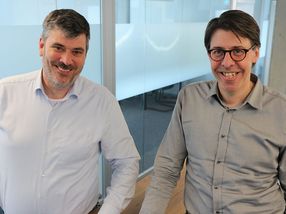
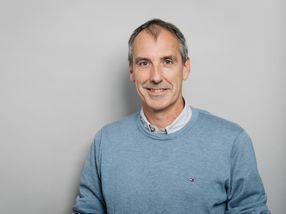
President and CEO of Carl Zeiss Meditec AG, Dr. Ludwin Monz, has announced to the Supervisory Board that he will not be accepting another term in office. The Supervisory Board notes his decision with regret. Dr. Monz and the Supervisory Board have agreed to end his term on 31 December 2021. Dr. Monz is currently responsible for the ZEISS Medical Technology segment. He is also President and CEO of the listed company Carl Zeiss Meditec AG. He will be bowing out of this role as well.
ZEISS
Effective 1 January 2022, the Supervisory Board will be transferring his duties at the ZEISS Medical Technology segment to Dr. Markus Weber. Dr. Weber is currently responsible for the ZEISS Semiconductor Manufacturing Technology segment and will relinquish his current duties on 31 December 2021.
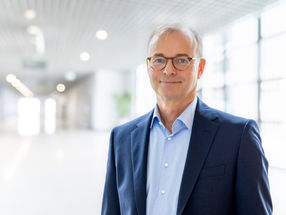
The Supervisory Board has appointed Mr. Andreas Pecher to take over from Dr. Weber as Head of the ZEISS Semiconductor Manufacturing Technology segment and Executive Board member of Carl Zeiss AG. Mr. Pecher is currently Head of the Semiconductor Manufacturing Optics (SMO) strategic business unit. His successor at SMO will be announced in the coming weeks.
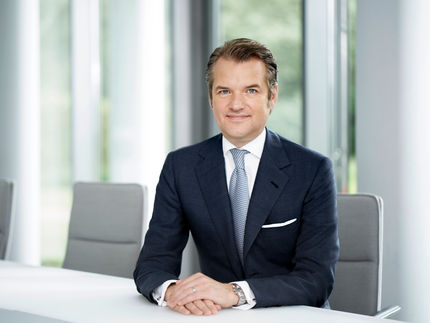
"The Supervisory Board of Carl Zeiss AG would like to thank Dr. Monz for his outstanding commitment and the incredible success he has had in advancing the ZEISS Medical Technology segment," said Dr. Dieter Kurz, Chairman of the Supervisory Board of Carl Zeiss AG. "We were saddened to hear of Dr. Monz' decision not to stand for another term, but we do wish him all the best going forward."
Dr. Monz also thanked the Supervisory Board for its trusting collaboration: "I would like to thank the Supervisory Board for its exceptional support over the years. Furthermore, I would also like to wish my successor Dr. Markus Weber all the best going forward."
When it comes to making personnel decisions, the Supervisory Board of Carl Zeiss AG strives to ensure continuity on the Executive Board team. The Supervisory Board is delighted to have found suitable successors in Dr. Weber and Mr. Pecher from the ZEISS Group's own ranks and wishes them both all the best going forward.
"Dr. Weber has become familiar with the company from a variety of perspectives. Most recently, he once again leveraged his extensive expertise and leadership skills as Head of the Semiconductor Manufacturing Technology segment to great success," said Dr. Kurz. "At his disposal he has both exceptional innovation management acumen and a management philosophy based on a solid foundation made up of values and culture." As Executive Board member of Carl Zeiss AG, Dr. Weber's current responsibilities include the Semiconductor Manufacturing Technology segment, the Shared Production Unit of the ZEISS Group and the Korea sales region.
Dr. Weber will be succeeded as Head of the Semiconductor Manufacturing Technology segment by Mr. Andreas Pecher. "The Supervisory Board is delighted to have found a semiconductor technology expert in Mr. Pecher, whose extensive knowledge of the semiconductor market will serve him well as he assumes his new role," said Dr. Kurz. "In recent years he has played a pivotal role in ensuring success at the SMT segment – particularly in terms of the latest and future generations of our market-leading EUV technology."
Effective 1 January 2022, the Executive Board of Carl Zeiss AG will thus comprise President and CEO Dr. Karl Lamprecht, Chief Financial Officer Dr. Christian Müller, Head of the ZEISS Consumer Markets segment Dr. Matthias Metz, Head of the ZEISS Industrial Quality & Research segment Dr. Jochen Peter, Head of the ZEISS Medical Technology segment Dr. Markus Weber, and the newly appointed Head of the Semiconductor Manufacturing Technology segment, Mr. Andreas Pecher.

Other news from the department people