Biophage announces capability of its PDS(R) Biosensor to detect toxic cyanobacteria in drinking water and in dietary supplements
PDS(R) Biosensor only known system that can detect the presence of cyanobacteria and identify their toxic effects on living cells
Biophage Pharma Inc. announced that its PDS(R) Biosensor can detect cyanobacteria (more commonly known as blue-green algae) as well as their toxins. Recent results of a collaborative project with USEPA, Office of Research and Development, indicate that the PDS(R) Biosensor can rapidly detect the presence of all the cyanobacterial toxins tested. These results also suggest that this Biosensor will be able to identify the presence of unknown toxins mainly because detection is based on the biological effects (killing of cells) of a toxin and not its identity.
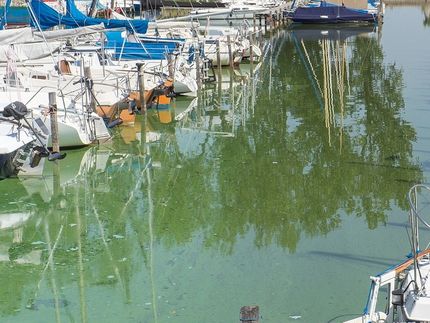
Found worldwide in various aquatic environments (fresh, brackish and marine waters) as well as in water distribution systems, cyanobacteria are usually too small to be seen, but sometimes they multiply rapidly and form visible colonies (called blooms). Up to 50% of cyanobacterial blooms produce extremely toxic substances that are capable of causing serious illness or even death if consumed. Moreover, these toxins can accumulate in fish and shellfish, and indirectly affect other organisms through the food chain. Acute exposure to high-level concentrations of these toxins causes liver damage, while subchronic or chronic exposure may promote liver tumor formation. Blooms of cyanobacteria have recently become more prevalent worldwide, as a consequence of increasing nutrient levels such as nitrates and phosphates (from fertilizers and detergents) in lakes and rivers.
Despite a growing awareness of the major problems associated with the presence of cyanobacterial toxins, rapid and precise methodologies that can quantify toxin occurrence and/or its biological effects are still a major challenge. Methods presently in use rely exclusively on antibodies, HPLC or PCR. The general goal of our collaboration with USEPA is the development of a new generation of biosensors that can rapidly detect cyanobacteria and their toxins in order to provide real or near-real time measurements of water quality through fixed platforms (docks, piers, water plants), or floating arrays (buoys, cruise ships and ferries).
Other news from the department research and development







Get the analytics and lab tech industry in your inbox
From now on, don't miss a thing: Our newsletter for analytics and lab technology brings you up to date every Tuesday. The latest industry news, product highlights and innovations - compact and easy to understand in your inbox. Researched by us so you don't have to.
Most read news





More news from our other portals

























See the theme worlds for related content
Topic world Antibodies
Antibodies are specialized molecules of our immune system that can specifically recognize and neutralize pathogens or foreign substances. Antibody research in biotech and pharma has recognized this natural defense potential and is working intensively to make it therapeutically useful. From monoclonal antibodies used against cancer or autoimmune diseases to antibody-drug conjugates that specifically transport drugs to disease cells - the possibilities are enormous
Topic world Antibodies
Antibodies are specialized molecules of our immune system that can specifically recognize and neutralize pathogens or foreign substances. Antibody research in biotech and pharma has recognized this natural defense potential and is working intensively to make it therapeutically useful. From monoclonal antibodies used against cancer or autoimmune diseases to antibody-drug conjugates that specifically transport drugs to disease cells - the possibilities are enormous
Topic World PCR
This groundbreaking and highly versatile molecular technique of PCR allows us to amplify tiny amounts of genetic material on a large scale and analyze them in detail. Whether in medical diagnostics, forensic DNA analysis or research into genetic diseases - PCR is an indispensable tool that gives us deep insights into the world of DNA. Immerse yourself in the fascinating world of the polymerase chain reaction (PCR)!
Topic World PCR
This groundbreaking and highly versatile molecular technique of PCR allows us to amplify tiny amounts of genetic material on a large scale and analyze them in detail. Whether in medical diagnostics, forensic DNA analysis or research into genetic diseases - PCR is an indispensable tool that gives us deep insights into the world of DNA. Immerse yourself in the fascinating world of the polymerase chain reaction (PCR)!
