Topic elemental analysis

Products elemental analysis

mercur – fully automatic Hg ultra trace analysis

mercur is a compact system specially optimized for the complete, cost-efficient determination of mercury traces down to the ng level more

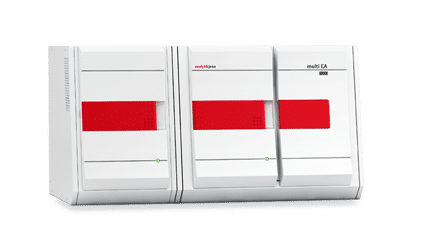
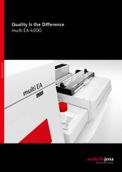
A Potpourri on Application Diversity - The new Elemental Analyzer multi EA® 5000

Analysis of solid, paste, fluid, gaseous and LPG samples in one instrument, multi-matrix sampler, double furnace technology, low maintenance detectors more

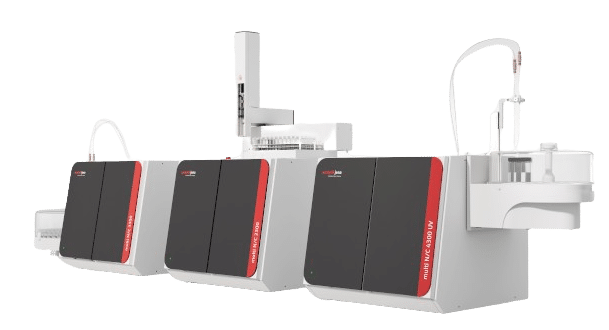
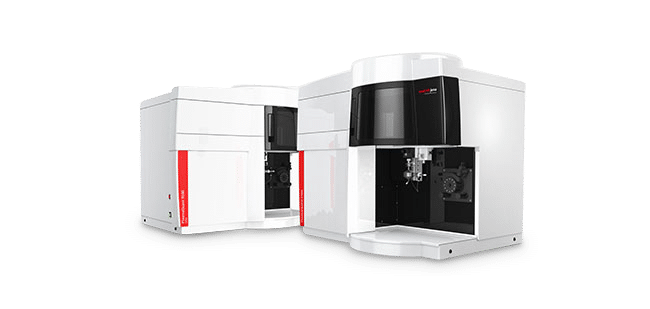
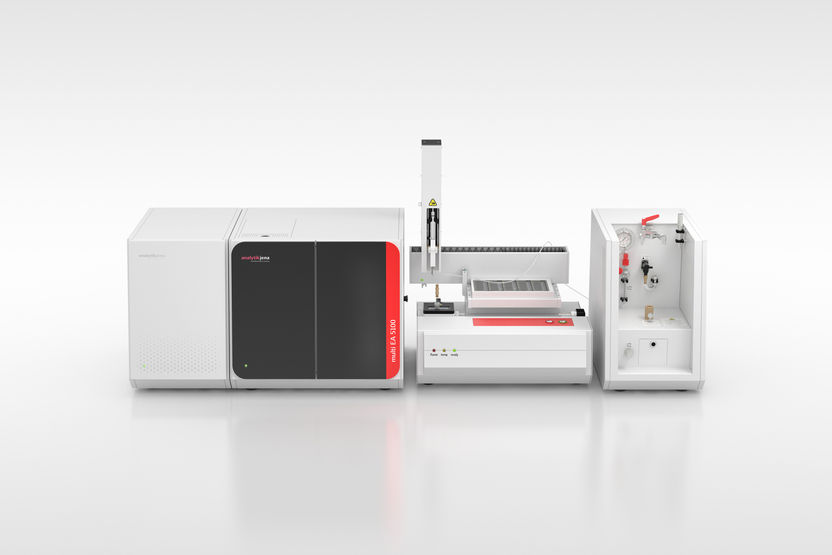
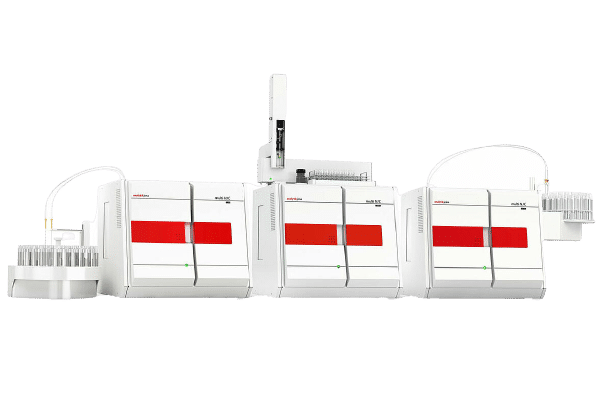
multi X® 2500 - This versatile system opens up new dimensions in AOX analysis

Vertical or horizontal? Thanks to the double furnace technology you can do both with one instrument! AOX/EOX/POX analysis, the determinations of TOC more

All products on elemental analysis
News elemental analysis

All news on elemental analysis

White papers elemental analysis

  • The Determination of Hazardous Substances According to RoHS and WEEE Directives

    1st July 2006 is an important deadline for the electro- and electronics industries. This date bans hazardous substances like lead, cadmium, mercury, hexavalent chromium and polybrominated biphenyls and diphenyl ethers from electro- and electronic equipment. This restriction, even though in discussion since 1991, has become more and more important from year to year because of tons of electronic waste releasing toxic substances which are accumulated in the environment, the food chain and all human beings. In order to enforce the substances ban and the limitation or substitution of hazardous components, elemental analysis is obviously the most important control measure for monitoring limiting values. This requires precise analytical systems such as X-ray fluorescence, ICP- and atomic absorption spectrometers. These instruments are able to detect trace concentrations of hazardous compounds - for example cadmium, using an atomic absorption spectrometer in the flame atomization mode up to 0.1 mg/L, or using the di more

  • Half a Century of Chromatography with Agilent and Predecessors

    Twsett originated the chromatography with his work about the separation of chlorophyll in 1903. For some time it was relatively quite around this new technology. Exceptions were the workings of Kuhn and Lederer (1931) as well as of Hesse (1936 and 1942). A break through succeeded to E. Cremer during the 40ies, but hardly considered caused by the war events, what however in the years 1950/51 by the conception of the gas chromatography suddenly changed and involved a rapid development more

Websites elemental analysis

Analytical Instruments | Aurora Instruments Ltd.

Welcome to Aurora Instruments Ltd. more

Bruker AXS: Home

        About Us Products Solutions Service & Support News Offices Home Information request Career Events Product Finder X-ray Spectrometry Handheld X-ray Spectrometry Optical Emission Spectrometry CS/ONH-Analysis X-ray Microanalysis and EBSD Atomic Force and Scanning Probe Microscopy X-ray Diffract more
CETAC

                                              CETAC partners with Photon Machines, Inc. for the advancement of LA-ICP-MS New CETAC Sales Representative for Southern United States CETAC introduces ASXpress™ Rapid Sample Introduction System New DigiLaz III™ Software Released for CETAC Laser Ablation S more

All websites on elemental analysis
Your browser is not current. Microsoft Internet Explorer 6.0 does not support some functions on Chemie.DE