Better animal-free test for chemicals that can cause contact dermatitis
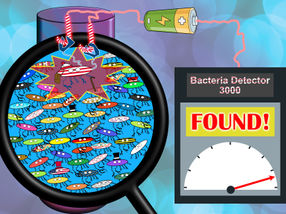
Scientists are reporting development of a fast, simple, inexpensive method for determining whether chemicals in consumer products and workplaces may cause skin allergies in people -- a method that does not involve use of animals. Their study appears in ACS' Chemical Research in toxicology.
Itai Chipinda and his colleagues note the existence of public sentiment against the use of animals to determine whether ingredients in consumer soaps, shampoos and other consumer products, and workplace chemicals, may cause skin sensitization and contact dermatitis. Chemicals cause dermatitis by bonding to proteins in the skin, and then aggravating the immune system so that redness, irritation, itching, and other symptoms occur. Existing chemical tests use substances like glutathione that mimic skin proteins and bond to allergy-causing ingredients. None, however, are suitable for use in detecting the critical early stages of skin sensitization, the scientists say.
Instead of glutathione, Chipinda and his team developed a test with nitrobenzenethiol as the skin protein surrogate. When used on 20 different chemicals known to cause skin irritation, the test produced positive results. It produced negative results when used to test substances that usually do not produce skin sensitization. "This simple, rapid and inexpensive absorbance-based method has great potential for use as a preliminary screening tool for skin allergens," the report states.

Other news from the department science













Get the analytics and lab tech industry in your inbox
From now on, don't miss a thing: Our newsletter for analytics and lab technology brings you up to date every Tuesday. The latest industry news, product highlights and innovations - compact and easy to understand in your inbox. Researched by us so you don't have to.